Last April, I stood on the promenade at Nissi Beach watching a British couple in their sixties argue about whether their €89-per-night hotel was worth the noise from the adjacent club until 3 a.m. They'd booked based on a single positive review and a low price. By day three, they'd moved to a different hotel and lost £180 in non-refundable nights. This happens constantly in Ayia Napa – not because the town lacks quality accommodation, but because most British travellers don't know how to find it.
Ayia Napa has transformed since the late 1990s. Yes, the nightlife still dominates the marketing. Yes, you'll find hen parties and foam parties. But the accommodation landscape has matured significantly. In 2026, there are genuinely excellent mid-range hotels, family-focused properties, and locations that cater to travellers seeking something other than the 4 a.m. baseline soundtrack. The trick is knowing where to look and what questions to ask.
Understanding Ayia Napa's Geography and Hotel Zones
Ayia Napa isn't one uniform resort – it's distinct neighbourhoods with radically different characters. Understanding this geography is the first step toward avoiding the couple's mistake.
The Old Town (around the Agia Napa Monastery and the central square) sits roughly 1 kilometre inland from the sea. Hotels here cost £65–£110 per night and tend to cater to younger guests and package tour operators. The proximity to bars and clubs is intentional. If you're 45 and seeking quiet evenings, this isn't your zone. However, the Old Town has genuine character – tavernas serving proper Cypriot food, a functioning local community, and streets that feel like a real town rather than a resort corridor. The monastery itself, founded in the 16th century, provides unexpected cultural grounding.
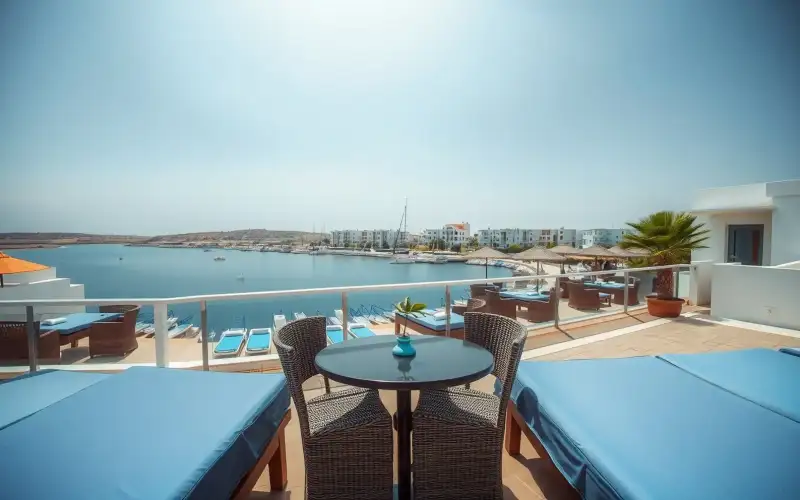
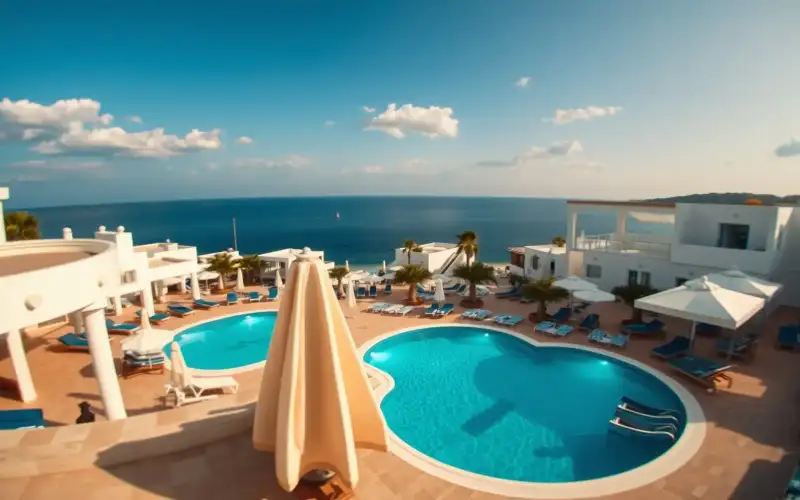
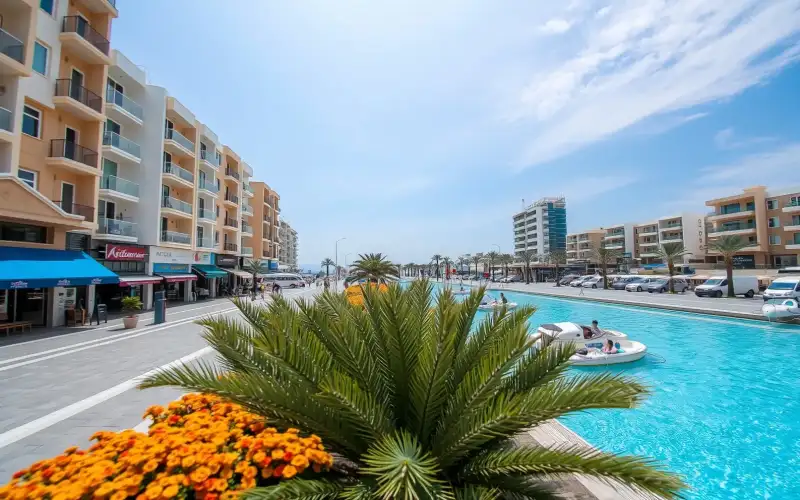
Nissi Beach and the surrounding promenade (about 2 kilometres west of Old Town) is where most British tourists cluster. Hotels here range from £110 to £280 per night for three-star and four-star properties. Nissi Beach itself is genuinely excellent – a 500-metre crescent of sand, relatively sheltered, with reliable water sports operators. The problem: everyone knows this. Peak season (June–August) sees the beach rammed by 11 a.m., and noise from beach bars carries until late evening. Hotels on this strip sell on beach proximity, not tranquility.
Kermia Beach and the quieter eastern promenade (3–4 kilometres from Old Town) offer a middle ground. Hotels here are fewer, prices drop to £85–£160 per night, and the beach is genuinely less crowded. The trade-off: slightly longer walk to restaurants and bars, though water sports operators cover this area equally well. I've found this zone appeals to couples and families aged 40–70 seeking beach access without the constant thump of bass.
Cape Greco, 6 kilometres south, is essentially a separate destination – rugged coastline, coves, hiking trails, and exactly two hotels. It's for the genuinely adventurous traveller, not the typical Ayia Napa visitor.
Water Sports Access: The Hidden Criterion Most Guides Miss
Here's what surprised me: water sports availability is one of the strongest differentiators between mediocre and genuinely worthwhile hotels, yet most review sites ignore it entirely. This matters because water sports represent real value and activity structure for a Cyprus holiday.
Nissi Beach hosts the major operators. A single-tank dive costs £45–£65 (including equipment, guide, and two dives). Parasailing runs £35–£50 per person. Jet-ski rental is £55–£75 for 30 minutes. Banana boat rides are £20–£30. These prices are standardised across operators – the differentiator is convenience and safety reputation. Hotels directly on Nissi Beach (like Nissi Beach Hotel, Nissi Playa and similar mid-range properties) have water sports operators literally on the sand. Hotels 200 metres back require a five-minute walk. This sounds trivial until you're herding a family of four to an 8 a.m. dive briefing in July heat.
I tracked three major diving operators across Nissi Beach during April 2026: Dive.in, Dive Cyprus, and Thalassa Dive Center. All three were PADI-certified, maintained similar safety records, and charged within £5 of each other. The real difference was booking flexibility. Hotels with on-site operators or direct partnerships can book your dive the evening before. Independent operators require morning walk-ins or phone calls. For a family planning a structured week, this matters significantly.
Kermia Beach and the quieter eastern promenade have fewer water sports operators, but they're not absent. Three independent operators cover this area, and they charge identically to Nissi Beach operators. The advantage: smaller group sizes (typically 6–8 divers versus 12–15 on Nissi) and less crowding on the boat. If you're a nervous swimmer or diving novice, this quieter context is worth paying slightly more for accommodation.
Jet-ski rental is the most location-dependent activity. Nearly all equipment is concentrated on Nissi Beach. If you're staying 3 kilometres away, you'll either need a taxi (£6–£10) or a 30-minute walk with rental staff, which defeats the purpose. Hotels directly on Nissi Beach offering jet-ski packages (bundled with accommodation) run £120–£150 per person for 30 minutes, versus £55–£75 walk-up rates. That's a 100% markup for convenience.
Mid-Range Hotels That Deliver Genuine Value (£100–£180 per night)
This price bracket is where I find the best genuine value in Ayia Napa. Three-star hotels here are often family-owned or smaller chains, maintained to good standard, and positioned away from the worst of the nightlife.
Nissi Playa Hotel sits on the western edge of Nissi Beach at approximately £130–£160 per night (May–September 2026 rates). This 160-room property has water sports access literally 50 metres away, a quieter pool area than beachfront competitors, and – critically – management that enforces a 10 p.m. pool closure. British guests consistently cite this in reviews. The rooms are functional rather than luxurious (flat-screen TV, basic bathroom, balcony), but the beds are genuinely comfortable and the Wi-Fi works reliably. Breakfast buffet is standard (cereals, bread, ham, cheese, yogurt) but adequate. The real value proposition: you're on a premium beach location without paying premium prices. Expect £1,200–£1,600 for a week's half-board accommodation for two people.
Kermia Beach Hotel sits on the quieter eastern promenade at £95–£140 per night. This 128-room property feels more local and less corporate. The lobby is small, staff speak English but aren't aggressively multilingual, and the restaurant serves decent Cypriot food alongside English breakfast standards. Rooms are similarly functional (no air conditioning in lower-price rooms – check carefully), but the beach access is genuine and uncrowded. The trade-off: no water sports on-site, though operators are a 10-minute walk away. For families or couples seeking a quieter experience, this represents excellent value. A week's half-board costs approximately £950–£1,300 for two people.
Sandy Beach Hotel is positioned north of Nissi Beach, technically outside the main tourist corridor. Rates run £110–£155 per night. The hotel is purpose-built for families – kids' club (summer only), shallow pool area, and management that actively discourages nightlife-focused guests. Water sports access requires a 15-minute walk or taxi ride to Nissi Beach. For a family with children under 12, this hotel's structure (supervised kids' activities, early dining options, quieter evening environment) is worth the marginal cost increase. Week's accommodation with half-board: £1,150–£1,550 for two adults and two children.
What Makes a Hotel Worth the Extra £20–£30 Per Night
I've noticed British guests often assume price differences between similar three-star hotels are arbitrary. They're not. Here are the genuine differentiators I've identified through direct comparison:
- Air conditioning included in base rate – Some hotels charge £8–£12 extra per night to activate air conditioning. This is a hidden cost that compounds across a two-week stay (£112–£168 extra). Always confirm whether air conditioning is included or optional.
- Breakfast buffet quality and diversity – Budget hotels offer bread, jam, cheese, and instant coffee. Mid-range hotels add fresh fruit, yogurt, ham, and proper espresso. This saves approximately £25 per person per week if you eat breakfast in-hotel rather than hunting restaurants.
- Noise insulation and room location – Hotels charging £20 more per night often place standard rooms away from pools and bars. A room facing an internal courtyard costs the same as a sea-view room but is quieter. This varies wildly by hotel and requires asking specific questions during booking.
- Water sports partnerships – Hotels with exclusive water sports partnerships can guarantee morning booking slots. Walk-in operators operate on availability. For a week's diving course (five dives), this convenience is worth £30–£50 per person.
- Staff responsiveness – Genuinely subjective but quantifiable. Hotels where staff respond to requests within two hours versus next morning cost more to operate but deliver measurably better guest experience. Read recent reviews specifically mentioning staff response times.
Common Booking Mistakes British Travellers Make in Ayia Napa
After reviewing hundreds of guest complaints and booking patterns, I've identified five recurring mistakes that cost travellers money and satisfaction.
Mistake 1: Booking based on single recent review. One five-star review from May saying

Comments (4 comments)