Last April, I watched a British couple in their late fifties argue in the lobby of a four-star Limassol property about whether they'd chosen the right neighbourhood. She wanted the beach. He wanted restaurants and evening entertainment within walking distance. Neither was wrong, but they'd booked without understanding the 3-kilometre distance between Limassol's city centre and Amathus beach—or what that separation actually meant for their daily experience. That conversation stayed with me, because it captures the core decision facing most visitors to Cyprus's second-largest city in 2026.
Limassol has evolved dramatically over the past five years. The city centre, long overshadowed by Paphos and Ayia Napa, now hosts boutique hotels, wine bars, and a genuine cultural pulse. Meanwhile, Amathus—the beachfront stretch extending from just south of the city proper towards Akrotiri—remains the destination for those seeking Mediterranean serenity, water sports, and resort-style comfort. Both are legitimate choices. Both have drawn my repeat visits. But they're fundamentally different experiences, and the wrong choice can colour an entire holiday.
Overview: Two Cities, One Postcode
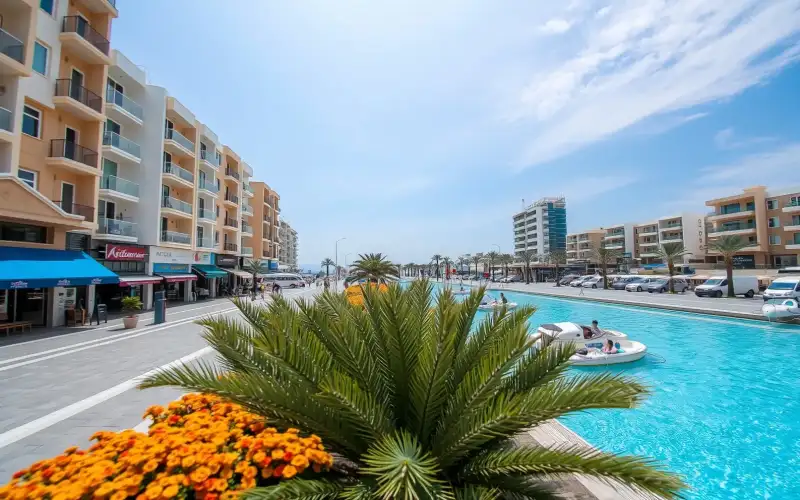
Limassol itself sprawls across a coastal plain in southern Cyprus, with a population of around 240,000—making it genuinely urban, not a tourist village. The city centre clusters around the Old Port and medieval castle, roughly between Agiou Andreou Street and the waterfront. It's compact, walkable, and increasingly hip. Amathus begins where the built-up centre fades and stretches east along the coast, past the famous Amathus archaeological site, towards Akrotiri and the British Sovereign Base Area (BFPO territory, technically, though tourists pass freely).
The 3-kilometre separation isn't merely distance; it's a philosophical divide. City centre hotels cater to those who want to explore, eat at proper restaurants, and engage with Cypriot culture. Amathus hotels serve those who primarily want beach, pool, and organised relaxation. I've spent nights in both. I've also seen guests who picked the wrong one and spent the first two days regretting it.
Geography and Distances
From Limassol city centre to the archaeological site at Amathus is roughly 15 minutes by car. To Lady's Mile Beach—the famous sandy stretch between Amathus and Akrotiri—add another 10 minutes. The old town centre sits about 1.5 kilometres from the nearest beach (Dasoudi Beach, a pebble affair). To reach proper sand from a city centre hotel, you're looking at a €6–€8 taxi ride or a 25-minute walk along the New Port, which is neither scenic nor pedestrian-friendly.
Most city centre hotels lie within 500 metres of restaurants, bars, and the Medieval Castle Museum. Amathus hotels typically sit 50–200 metres from the beach, but restaurants and bars are 2–3 kilometres away (or a short shuttle ride). Taxis between the two zones cost €8–€12 depending on time and negotiation. Public buses (run by EMEL) operate but are infrequent in evenings—roughly hourly after 8 p.m.
The Water Sports Factor
Here's what the category brief mentions: water sports. This matters enormously for location choice. Both areas offer diving, parasailing, jet-ski, and banana boat rides, but availability and convenience differ sharply.
City centre: A handful of operators work from Dasoudi Beach and the Old Port area. Prices run roughly €50–€70 for parasailing, €80–€120 for single-tank dives, and €25–€40 for jet-ski rentals. The scene is smaller, less competitive, and operators tend to be semi-formal. You'll book at reception or ask a waiter.
Amathus: Major resort beaches like Amathus Beach Hotel and Akti Ati have in-house water sports concierges. Prices are similar or slightly higher (€60–€80 for parasailing, €90–€130 for dives), but booking is seamless and gear rental is professional. Lady's Mile Beach, a 2-kilometre public stretch, has three independent operators with competitive rates and high volume—meaning more frequent departures and better availability. A single jet-ski rental there runs €30–€45, and you'll rarely wait more than 30 minutes to launch.
If water sports are central to your trip, Amathus edges ahead for convenience and choice.
City Centre: The Case for Urban Engagement
Limassol's city centre has undergone genuine revitalisation since 2020. The Medieval Castle Museum reopened after renovation in 2021. The Old Port waterfront project, completed in 2023, added a 2-kilometre promenade with cafés, wine bars, and public art. New boutique hotels—places like the Elias Beach Hotel and smaller, locally-owned conversions—have brought fresh energy to Agiou Andreou Street and surrounding lanes.
Dining and Nightlife
This is the city centre's strongest card. Within 10 minutes' walk from any central hotel, you'll find over 40 restaurants ranging from traditional tavernas (Tassos, established 1987, does a €12 moussaka that justifies its reputation) to modern Mediterranean cuisine (Estia Social, opened 2024, runs €16–€24 mains). Wine bars proliferated in 2024–2025. Vasiliko Wine Bar, three blocks from the Old Port, stocks 200+ Cypriot wines and operates until midnight daily. Nightlife exists but is modest: a few cocktail bars, late-night clubs aimed at locals, and weekend events at venues like Q Club.
For British visitors aged 35–65, this translates to evening flexibility. You're not dependent on hotel restaurants (though several are excellent). You can browse, stumble upon discoveries, and eat at 9 p.m. or 10 p.m. without booking weeks ahead. That autonomy appeals to seasoned travellers.
Cultural Activity and Exploration
The Medieval Castle Museum is genuinely worth 90 minutes. Entrance is €4.50, and exhibits cover Byzantine to Ottoman periods. The Archaeological Museum (€3 entry, closed Mondays) displays finds from Amathus itself—a nice continuity if you're planning a beach day trip. The Lemesos Municipal Museum, in a restored neoclassical mansion, explores local history through textiles, ceramics, and photographs. None are world-class, but they're legitimate reasons to spend a morning indoors on a hot day.
The Old Port itself is now a functioning fishing harbour mixed with tourist amenities—more authentic than purpose-built resort zones. You'll see actual fishing boats, nets, and locals buying fresh fish. It's a texture that Amathus lacks entirely.
Downsides of City Centre
The beach situation is real. Dasoudi Beach, the closest option, is small, pebbly, and backed by a highway. It's adequate for a dip but not a destination. Many city centre guests give up on beaches entirely and use hotel pools. The noise from traffic and occasional port activity is audible from some central hotels, particularly those on the eastern edge. Summer heat is intense—temperatures regularly hit 34–36°C in July and August—and the urban environment offers less shade than a resort. Finally, the city centre can feel a touch rough around the edges. It's genuine, which is charming, but not uniformly polished. You'll see some dilapidated buildings, street-level clutter, and occasional late-night rowdiness.
Amathus Beach: The Case for Resort Comfort
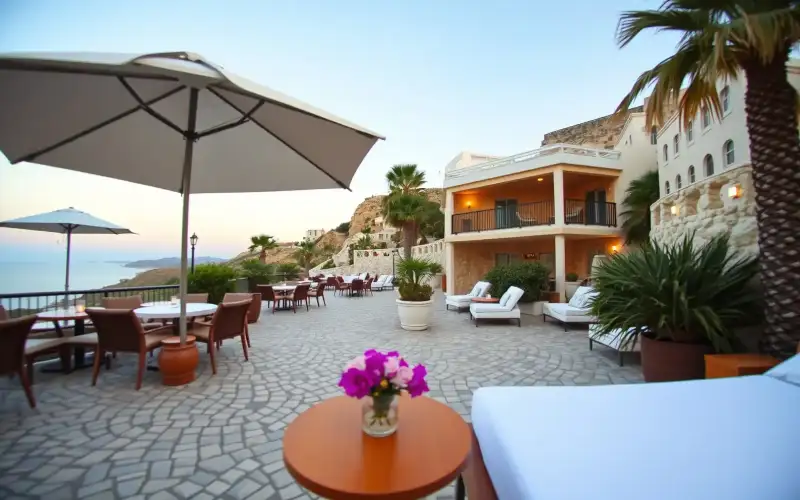
Amathus represents the traditional Mediterranean holiday: beach-first, self-contained, and predictable. The area is dotted with four- and five-star hotels, most with private beach access, multiple pools, and all-inclusive options. Prices range from €80–€150 per night for three-star comfort to €200–€400+ for five-star properties like the Amathus Beach Hotel or the newer Aktea Akti resort (opened 2024).
Beach Quality and Water Sports Infrastructure
Amathus proper has a narrow but clean beach, usually less crowded than Lady's Mile because many visitors are hotel guests. The water is calm, shallow for the first 30 metres, and suitable for families. Lady's Mile—the public beach extending eastward—is wider, sandier, and livelier, with volleyball nets, beach bars, and a younger crowd. Both beaches are blue-flagged (EU environmental standard) and regularly cleaned.
Water sports infrastructure here is genuinely superior. As noted earlier, Lady's Mile has three permanent operators (Watermania, Cyprus Water Sports, and a smaller local outfit called George's) offering daily departures. A group of four can book a banana boat ride for €20 per person and launch within an hour. Jet-ski rentals are straightforward: show ID, sign a form, pay €30–€45, and go. Diving schools like Amathus Divers (based at the Amathus Beach Hotel) run PADI courses—a four-day Open Water certification costs €350–€400 and qualifies you for independent diving.
Resort Amenities and Ease
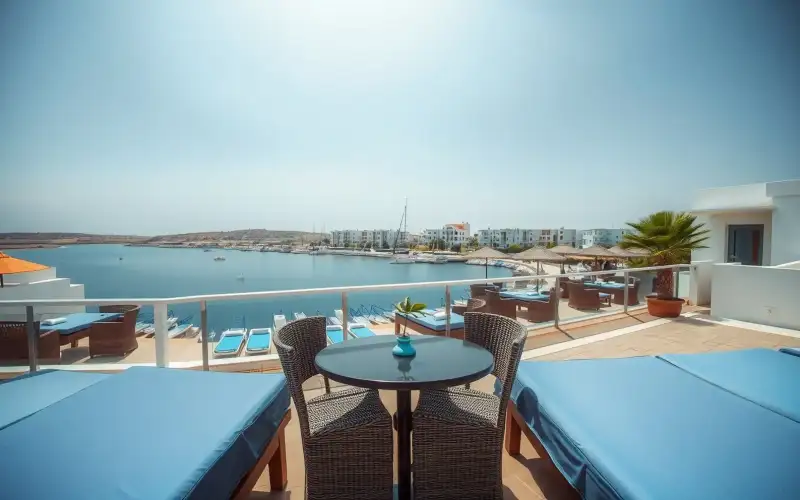
If your primary goal is to arrive, settle, and not think about logistics, Amathus delivers. Most hotels offer shuttle buses to Lady's Mile Beach (free or €3–€5 per person). In-room dining, spa services, and activity booking are handled by concierge. Evening entertainment is built-in: live music, themed dinners, or simply the social atmosphere of a busy pool deck. For couples or groups less interested in exploring, this is genuinely relaxing.
The area is safe, orderly, and aesthetically consistent. No rough edges. No navigation required. This appeals powerfully to visitors who've had complicated holidays elsewhere.
Downsides of Amathus
The price premium is real. A comparable three-star hotel in Amathus costs 15–25% more than a city centre equivalent. You're paying for beach proximity and resort infrastructure, whether you use it fully or not. Second, the experience is somewhat formulaic. If you've stayed at Mediterranean resorts in Majorca, Turkey, or mainland Greece, Amathus will feel familiar—not unpleasant, but not distinctive. You're not engaging with Cyprus or Cypriot culture in any meaningful way. Restaurants outside your hotel require transport (taxi or shuttle). The area lacks the spontaneity and discovery of a city. Finally, beach crowding peaks July–August. Lady's Mile can feel packed, and even Amathus's private beach becomes busy mid-morning.
Practical Comparison Table
| Factor | City Centre | Amathus Beach |
|---|---|---|
| Beach proximity | 1.5 km (requires taxi/walk) | 50–200 m (included or short walk) |
| Restaurants within 10 mins | 40+ | 3–5 (mostly hotel-based) |
| Average hotel price (3-star) | €70–€100/night | €90–€130/night |
| Water sports convenience | Moderate (small operators) | Excellent (professional schools, multiple providers) |
| Nightlife/bars | Varied, walkable, authentic | Resort-based, predictable |
| Cultural activities | Museums, old port, local life | Archaeological site visit only |
| Noise levels | Moderate to high (urban) | Low to moderate |
| Suitability for families | Good (if not beach-dependent) | Excellent |
| Suitability for couples 35–65 | Excellent (exploration-focused) | Very good (relaxation-focused) |
Who It's For: Making Your Choice
Choose City Centre If You:
- Want to experience Limassol as a real city, not a resort bubble
- Prioritise dining variety and evening spontaneity over beach time
- Are comfortable with taxis or short walks to reach a proper beach
- Enjoy museums, wandering, and local atmosphere
- Prefer boutique or smaller hotels over large resorts
- Are budget-conscious and want to avoid resort markups
- Plan day trips to Troodos Mountains, Paphos, or the Akamas Peninsula
Choose Amathus If You:
- Want immediate beach access and lounging as your primary activity
- Prefer water sports and need convenient, professional operators
- Like the security and predictability of a resort environment
- Are travelling with young children or elderly relatives
- Want minimal decision-making once you've booked
- Prioritise relaxation and spa services over exploration
- Prefer all-inclusive or half-board meal arrangements
- Are willing to pay a premium for convenience
A practical rule: if you've visited Cyprus before and want to see more of it, stay in the city centre. If this is your first visit and you're seeking traditional Mediterranean beach relaxation, Amathus is the safer bet.
Verdict: No Wrong Answer, Only Your Answer
After 15 years reviewing hotels and staying at over 200 properties across Cyprus, I've learned that the

Comments (4 comments)