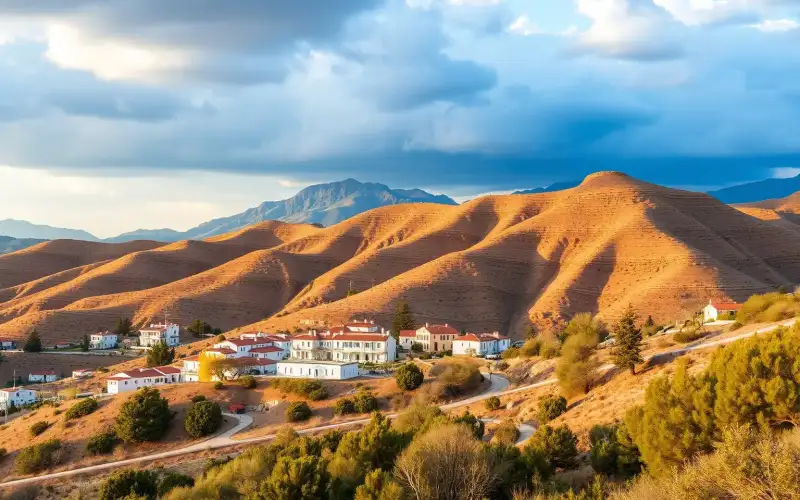
Last April, I sat in the breakfast room of a Limassol hotel at 6:45 a.m., watching a couple study a crumpled paper map of the Troodos Mountains. They'd booked a four-star property near the harbour—beautiful sea views, indifferent mountain access. By the time they'd driven to Platres village, queued for parking, and hiked to Caledonia Falls, they'd burned three hours on logistics alone. The mountains close early in spring light. They missed the best hours entirely.
This is the mistake I see repeatedly: choosing a hotel for its amenities or price, then discovering the Troodos Mountains feel remote when you're based in the wrong location. The drive from a seafront resort to a serious mountain trail can swallow half your daylight. Worse, you'll miss the subtle rhythms that make mountain exploration rewarding—the morning mist lifting off pine forests, the quiet of village squares at 10 a.m., the way light changes across the ridges between noon and 3 p.m.
The Troodos range sits roughly 50 kilometres inland from the coast, but that distance is deceptive. Road quality, altitude gain, and village access vary wildly depending which coast you choose as your base. I've tested the drives from Limassol, Paphos, and Larnaca repeatedly over the past decade. Some routes save you 90 minutes daily. Others add frustration.
Understanding the Geography: Which Coast, Which Troodos?
The Troodos Mountains form a distinct region in central Cyprus. The range spans roughly 80 kilometres east to west, with the highest peak, Mount Olympus, reaching 1,952 metres. But the mountains aren't a single destination—they're a network of villages, forest roads, hiking trails, and wine-producing areas scattered across different elevations and microclimates.
Limassol sits 55 kilometres south of Mount Olympus. The drive takes 50–65 minutes depending on which mountain area you're targeting. Paphos lies west, roughly 80 kilometres from the central peaks, with a 75–90 minute drive to higher elevations. Larnaca is furthest east, about 70 kilometres away, requiring 70–85 minutes to reach the main trails.
But raw distance masks the real advantage: approach angle. From Limassol, you climb directly into the heart of the range via the B9 highway toward Troodos village, Platres, and Prodromos. The road is modern, well-signposted, and climbs steadily. From Paphos, you approach via Pano Panayia and the western slopes—quieter, wine-focused, with older villages and narrower roads. From Larnaca, you enter via the eastern side through Lythrodontas and Achna, accessing different trails and a less-visited network of villages.
The choice matters because each approach offers a different mountain experience. Limassol gives you speed and direct access to the most popular trails. Paphos gives you wine routes and quieter villages. Larnaca gives you solitude and a view of the range most British tourists never see.
Limassol Hotels: Speed and Central Access
If your priority is maximising mountain time, Limassol is the logical base. The drive to Platres village—home to Caledonia Falls, the most famous waterfall in Cyprus—takes exactly 58 minutes from the city centre in normal traffic. Add another 10 minutes to reach the trailhead car park.
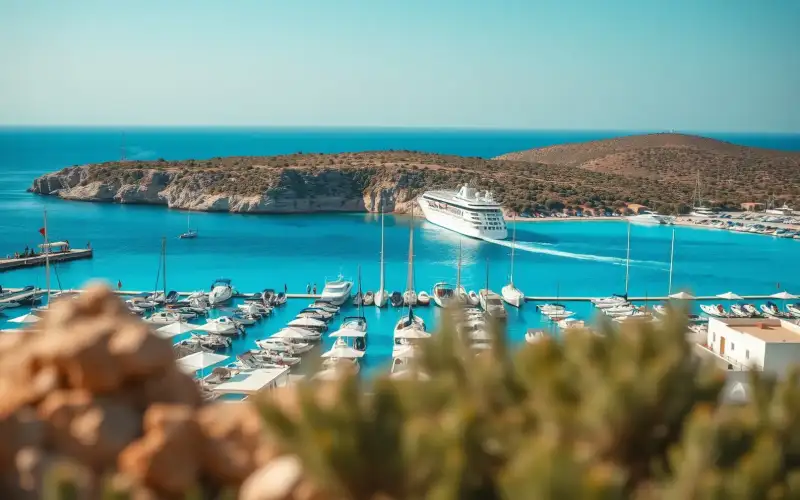
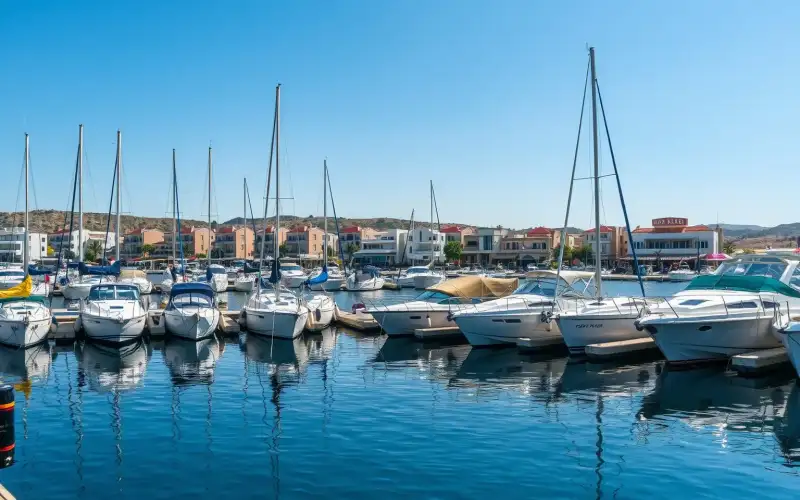
Three-star and four-star hotels clustered around the old harbour (Limassol Marina area) and the Amathus district offer the shortest commutes. The Amathus coastline sits roughly 8 kilometres east of the city centre, cutting perhaps 8–10 minutes from your drive time compared to western seafront properties. If you're leaving at 7 a.m. to beat crowds on popular trails, that matters.
For mountain day trips, avoid beachfront mega-resorts in the far west (beyond Kourion). They're 15–20 kilometres further from the mountain roads. You'll spend 75 minutes driving before you even start hiking.
Breakfast timing is crucial from Limassol. Most four-star hotels serve from 6:30 a.m. to 10 a.m. If you want to leave by 7 a.m., you're eating at 6:30 a.m. sharp—which means arriving downstairs at 6:15 a.m. and having your coffee and pastries ready. Check with the hotel directly about early breakfast availability. Some properties charge €8–12 extra for 6:30 a.m. starts. Others include it. A few require 24 hours' notice.
The B9 highway from Limassol climbs steadily through terraced vineyards, then pine forest. By the time you reach 800 metres elevation (around Vouni village), the temperature drops noticeably—usually 4–6 degrees cooler than the coast. Bring a light jacket even in summer.
Wine stops on the return journey are natural from Limassol. The Krasochoria (wine villages) of Omodos, Koilani, and Vouni sit on or near the B9 route, adding 30–45 minutes to your day if you want a tasting or lunch. Most wineries open at 10 a.m., so an afternoon visit works well after a morning hike.
Paphos Hotels: Wine Routes and Western Villages
Paphos is fundamentally different. It's further west, and the mountain approach is slower, but the experience is quieter and wine-focused. The drive to Pano Panayia village takes 75–90 minutes depending on traffic through Paphos town. But Pano Panayia sits at 1,200 metres elevation and feels genuinely remote—narrow streets, stone houses, a handful of tavernas, and almost no crowds before 1 p.m.
From Paphos, you're not racing to Platres. Instead, you're exploring the western slopes: Pano Panayia, Mesapanayia, Kannaviou, and the smaller wine villages that dot the foothills. The roads are narrower, often single-track with passing places. They're perfectly safe, but they demand slower driving and reward patience. You see villages most tourists never reach.
The Paphos wine region produces some of Cyprus's finest Commandaria wines. If wine interests you, base yourself in Paphos and spend a day visiting Krasochoria villages, tasting at family-run cellars, and eating meze at village tavernas. The wine trail between Vouni and Omodos is a full day on its own.
Paphos hotels near the seafront (Coral Bay, Kissonerga area) are 20–25 kilometres from the town centre. Choose properties actually in Paphos town or in Pano Panayia village itself if you want to minimize commute time. A few small hotels and guesthouses in Pano Panayia offer authentic mountain base locations—you wake up at altitude, surrounded by forest, with zero beach-resort atmosphere.
From Paphos, breakfast timing is less critical because the drive is longer anyway. Most visitors leave between 8 a.m. and 9 a.m. Standard hotel breakfast (7 a.m.–10 a.m.) is sufficient. The slower pace suits the western mountain experience.
Larnaca Hotels: Eastern Access and Solitude
Larnaca is the least obvious choice, which is precisely why it works for explorers who want to avoid crowds. The eastern approach to Troodos takes you through Lythrodontas village (1,140 metres) and the quieter eastern slopes. The drive takes 70–85 minutes, but it accesses a network of trails and villages that see a fraction of the visitor traffic hitting Platres.
Lythrodontas itself is worth a visit—a working village with a handful of tavernas, a tiny museum, and views across the Mesaoria plain. From there, you can hike to Achna village, explore the pine forests around Kyperounta, or walk the ridge trails that few British tourists ever discover.
The eastern approach suits walkers who want genuine solitude. If you're hiking in May or September (the ideal seasons), you might encounter no other English speakers all day. The trails are well-marked but less polished than Platres routes. That's the appeal.
Larnaca hotels cluster near the seafront and the salt lake area. The drive time to mountain roads is roughly equal whether you're in the city centre or on the eastern beach strip—the roads converge inland. Choose a three-star or four-star property with good value rather than obsessing over the exact location. The 10–15 minute difference between hotels is negligible when you're facing a 75-minute drive.
From Larnaca, plan to spend a full day in the mountains. The longer drive justifies staying up there for lunch and an afternoon hike. Most villages have at least one taverna serving traditional food. Achna has three. Lythrodontas has two. They're not tourist traps—you'll eat with locals, the food is authentic, and the cost is roughly €12–16 for a main course.
Comparing the Three: A Practical Table
| Base City | Drive to Platres | Drive to Pano Panayia | Drive to Lythrodontas | Best For | Season Notes |
|---|---|---|---|---|---|
| Limassol | 58 mins | 90 mins | 75 mins | Speed, popular trails, wine stops | Spring/autumn ideal; summer crowds at Platres |
| Paphos | 85 mins | 75 mins | 110 mins | Wine routes, quiet villages, western slopes | Autumn best; spring mist can linger |
| Larnaca | 80 mins | 105 mins | 70 mins | Solitude, eastern trails, fewer tourists | May and September ideal; avoid July/August heat |
Seasonal Timing: When to Go, When to Avoid
The Troodos Mountains experience genuine seasons. This matters for planning.
April and May: Spring. Wildflowers, moderate temperatures (18–24°C at altitude), clear visibility. Trails are muddy in places from winter rain, but passable. Crowds are building but not yet overwhelming. This is genuinely the best time to explore from any base. Hotels are 20–30% cheaper than summer.
June through August: Summer. Temperatures at altitude remain pleasant (20–26°C), but the coast is scorching (35°C+). The mountain becomes a refuge, and everyone knows it. Platres is crowded by 11 a.m. Parking fills by noon. If you choose summer, leave your hotel by 6:30 a.m. and plan to leave the mountains by 2 p.m. Afternoon thunderstorms are common in July and August—they arrive quickly and can make narrow roads treacherous.
September and October: Autumn. Temperatures drop (16–22°C at altitude), crowds thin significantly, and light is extraordinary. This is my preferred season. The air is clearer than spring, trails are dry, and you might hike for hours without seeing another person. October can be wet—check weather forecasts—but September is reliably dry and underrated.
November through March: Winter. Snow is possible above 1,200 metres, particularly December and January. Roads remain open, but conditions are unpredictable. Many small tavernas close. Unless you specifically want winter hiking, avoid this season for Troodos day trips.
Practical Booking Strategies for 2026
Book your hotel first, then plan mountain days around the location you've chosen. Don't reverse this—it leads to wasted time.
If you're choosing Limassol, book a three-star or four-star property within 5 kilometres of the city centre or in the Amathus district. Expect to pay €85–140 per night (mid-range) in spring and autumn, €110–160 in summer. Breakfast inclusion saves time and €10–15 daily.
If you're choosing Paphos, book a property actually in Paphos town or in Pano Panayia village if you want the full mountain experience. Paphos seafront resorts are convenient for beaches but add 20 minutes to mountain commutes. Expect €75–130 per night mid-range, €100–150 summer.
If you're choosing Larnaca, prioritise value over location within the city. The drive time is similar regardless. Three-star properties offer excellent value here—€70–120 per night mid-range, €90–140 summer. Larnaca is cheaper than Limassol and Paphos.
Book in April or May for spring travel, or September for autumn. These seasons offer the best weather, lowest crowds, and reasonable hotel availability. July and August are possible but exhausting—you'll be competing with European families and package tourists.
Check hotel cancellation policies. Spring weather in the mountains can shift quickly. If a hike is cancelled due to weather, you want flexibility to reschedule without penalty.
What to Pack and What to Know
Mountain weather changes rapidly. Even in summer, bring a lightweight waterproof jacket and a fleece. The temperature drop from coast to altitude is real—you'll feel it.
Wear proper walking boots or trail shoes. Sandals won't work. Many trails have rocky sections, loose gravel, and steep drops. Proper footwear prevents injury and makes the experience genuinely enjoyable.
Bring 2 litres of water minimum, even for short hikes. The mountain air is drier than the coast, and dehydration creeps up quickly. Most villages have small shops selling water, but carrying your own is safer.
Start hikes early—by 8 a.m. if possible. The light is better, trails are quieter, and you have time to reach a summit and return before afternoon weather changes. Afternoon thunderstorms in summer can arrive with little warning.
Parking at popular trailheads fills quickly. Caledonia Falls near Platres has a car park for roughly 40 vehicles. By 11 a.m. in summer, it's full. Park on the road or return another day. Don't circle looking for a space—it's not worth the time.
Most villages have at least one taverna open for lunch. Many close by 4 p.m. If you want to eat, plan to arrive by 1 p.m. at the latest. Don't rely on finding a restaurant at 3 p.m. in a small mountain village.
Final Thoughts: Choosing Your Base
There's no single
Comments (3 comments)