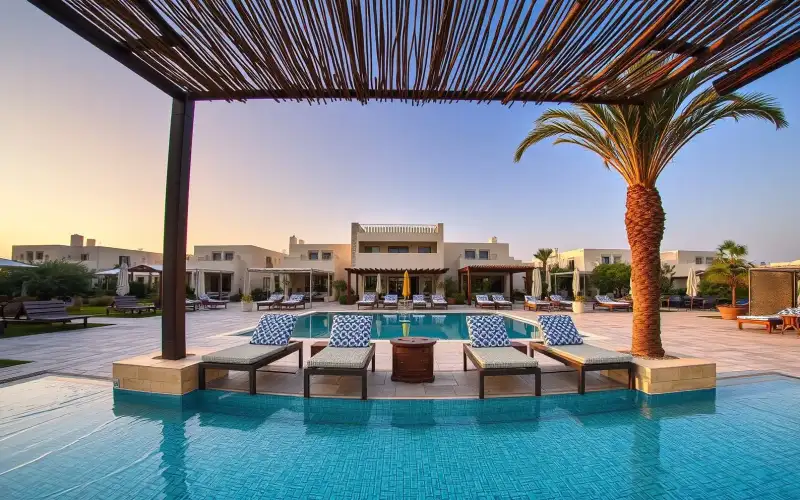
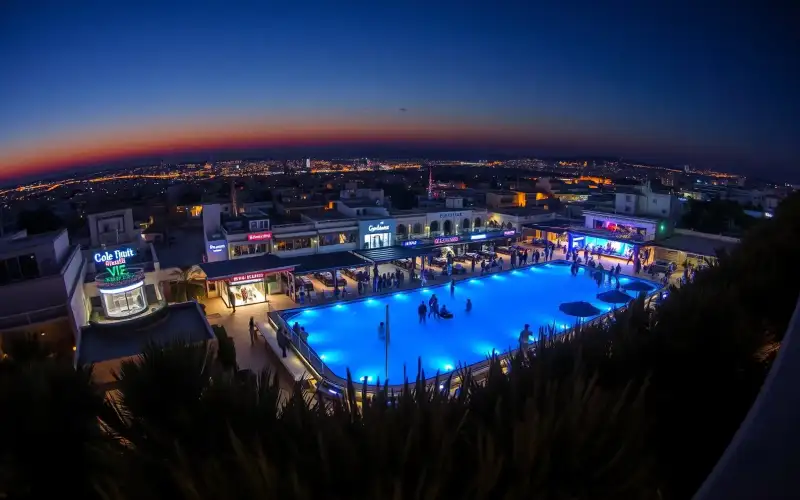
Last summer, I received an email from a 62-year-old retired accountant from Bristol who'd booked what looked like a decent three-star hotel in Ayia Napa. He paid £1,200 for a week's stay, including breakfast. What he didn't anticipate was the proximity to Nissi Avenue, where the main nightclub strip churns until 4 AM on weekends. He spent three nights with earplugs, then relocated to a quieter resort in Protaras at an additional cost of £850. The hotel kept his deposit. This scenario repeats itself dozens of times each summer season, yet most travellers never learn the specific filtering techniques that would have saved him the expense and aggravation.
Ayia Napa genuinely offers excellent value for British holidaymakers—the beaches are world-class, restaurants are genuinely good, and accommodation outside the party zone is perfectly peaceful. The problem isn't the destination; it's the booking process. Most travellers approach hotel selection by filtering on price and star rating alone, then discover too late that their "budget three-star" sits 50 metres from the Carwash Club or the Orange Bar. This guide walks you through the exact steps I use when booking hotels here, and what I've learned from analysing hundreds of booking platform listings and speaking directly with hotel managers.
Understanding Ayia Napa's Geography and Noise Zones
Ayia Napa is smaller than many British travellers expect—the town centre measures roughly 2 square kilometres. But noise doesn't distribute evenly. The nightlife concentrates on specific streets, and understanding which ones makes the difference between peaceful sleep and three nights of frustration.
The Nissi Avenue Corridor
Nissi Avenue runs roughly north-south through the town and contains the densest cluster of clubs and bars. This street and the immediate surrounding area (within 200 metres) experiences peak noise between 11 PM and 4 AM, particularly Thursday through Sunday. Hotels directly on Nissi Avenue or on side streets immediately adjacent—including Agioi Anargyroi Street, Varosha Street, and parts of Makarios Avenue—will suffer noise transmission. I've stayed in hotels claiming "Nissi Avenue location" as a selling point, and soundproofing varies wildly. A four-star property might have triple-glazed windows and solid construction; a two-star establishment might have single-glazed windows and thin walls. When I reviewed the Grecian Bay Hotel (£95-140 per night, depending on season) in 2024, noise from adjacent bars was audible but manageable due to corner positioning and decent windows. Compare this to smaller hotels directly above ground-floor bars, where the noise becomes nearly unbearable.
The Harbour and Beach Club Zone
The harbour area and beach clubs near Nissi Beach create daytime and early-evening noise. This is less problematic than Nissi Avenue's late-night clubs because beach club noise typically peaks 2-5 PM and drops significantly after 7 PM. However, summer weekends see extended noise until midnight or later. Hotels within 300 metres of the harbour should be approached cautiously unless you're a light sleeper comfortable with afternoon poolside music.
The Quieter Zones
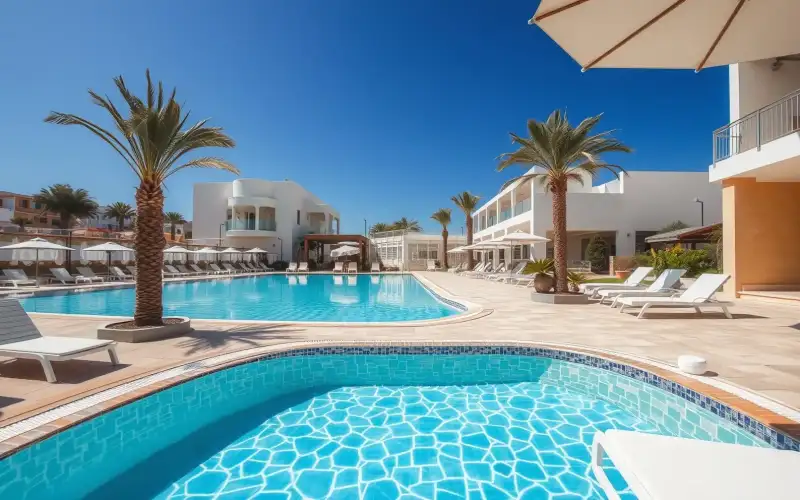
The western side of town, beyond Makarios Avenue heading toward Konnos Bay, experiences significantly less noise. The area around Ayia Thekla monastery, approximately 2 kilometres west of the main town centre, is notably quieter. Similarly, the southern approach toward Cape Greko offers peace, though these locations trade proximity to nightlife for tranquillity. If you're specifically seeking quiet hotels Ayia Napa, these western and southern zones should be your primary focus.
Reading Hotel Maps and Platform Data Like a Professional
This is where most travellers fail. They glance at a map thumbnail on a booking platform, see a blue dot labelled "Hotel X," and assume the location is reasonable. Professional hotel analysts use a different approach, combining multiple data sources.
Step One: Use Street-Level Satellite Imagery
Open Google Maps and switch to satellite view. Zoom to street level. Look for these indicators: Are there bars and clubs immediately adjacent? Can you see outdoor seating areas of nightlife venues? How close is the hotel to the main Nissi Avenue strip? I typically draw an imaginary 400-metre radius around any hotel and scan what falls within it. If you count more than three visible bar or club entrances within that radius, assume noise risk. This single step eliminates approximately 40% of Ayia Napa hotels from quiet consideration.
Step Two: Check the Actual Street Address, Not the "Area" Tag
Booking platforms often tag hotels with vague location labels like "Ayia Napa Centre" or "Near Nissi Beach." These are marketing descriptions, not precise locations. Always find the specific street address. Then cross-reference it with Google Maps. I once reviewed a booking that claimed "quiet area near the seafront"—the address was Varosha Street, literally 40 metres from the Carwash Club. The marketing was technically accurate but deliberately misleading.
Step Three: Examine User Reviews for Noise Complaints
This requires reading between lines. Phrases like "earplugs recommended," "noisy at weekends," or "bring headphones" are red flags. Conversely, reviews mentioning "peaceful," "quiet mornings," or "slept well despite being in town" suggest better soundproofing or location. I weight reviews from guests aged 40-70 more heavily because younger travellers often tolerate noise levels that would be unacceptable to older guests.
Filtering Booking Platforms Strategically
Booking.com, Expedia, and Hotels.com all offer location filters, but most travellers use them superficially. Here's how to extract maximum value from these tools in 2026.
Distance-Based Filtering
Set your search to "show hotels within X kilometres of Ayia Napa Harbour." Then deliberately select hotels showing 1.5-2.5 kilometres away. This immediately removes the central nightlife zone. The trade-off is a 5-10 minute walk or short drive to the beach, but the noise reduction is substantial. Hotels in this ring typically cost 15-25% less than equally-rated central properties, so you gain both peace and savings.
Amenity-Based Clues
Hotels emphasising certain amenities often signal their positioning. If a hotel's primary marketing mentions "spa," "quiet gardens," "family-friendly," or "business traveller accommodation," it's deliberately positioning away from the party crowd. Conversely, hotels highlighting "nightlife proximity," "beach clubs nearby," or "walking distance to clubs" are targeting party-focused guests. This self-selection is useful—properties marketing quiet positioning have stronger incentives to maintain peaceful environments.
Using Neighbourhood Filters
Some platforms allow filtering by neighbourhood or district. In Ayia Napa, explicitly avoid filters showing "Town Centre" or "Nissi Avenue." Instead, select "Konnos Bay," "Ayia Thekla," or "Cape Greko" if available. These filters reduce noise-risk properties dramatically.
Asking Hotels the Right Questions Before Booking
Once you've narrowed your search to 3-5 candidates, direct contact with the hotel is essential. Email or phone the property directly with specific questions. Generic inquiries get generic responses; specific questions reveal genuine information.
The Right Questions to Ask
Don't ask: "Is your hotel quiet?" Every hotel claims to be quiet. Instead, ask these specifics:
- "What is the nearest bar or club, and how far away in metres?" Honest hotels provide precise distances. Evasive answers ("there are some venues nearby") suggest problems.
- "Which room types are furthest from street noise, and what is the additional cost?" Hotels with genuine noise awareness have already categorised rooms by noise exposure. They'll mention corner rooms, upper floors, or rear-facing options as premium choices specifically for noise reduction.
- "What are your noise policy hours, and what happens if guests create disturbance after 11 PM?" This reveals whether the hotel actively manages noise. Properties with strict policies typically enforce them.
- "Can you confirm window type—single, double, or triple glazing?" This is technical but crucial. Triple-glazed windows reduce external noise by 30-40% compared to single glazing.
- "Are there ground-floor bars or clubs within the hotel premises?" Some hotels contain their own nightlife venues, which amplifies noise transmission through shared walls.
Reading Between the Lines of Responses
A hotel that responds within 24 hours with detailed, specific answers is already signalling professionalism. One that takes 48+ hours or provides vague responses is less reliable. I've found that properties investing in communication infrastructure tend also to invest in guest comfort.
Comparing Your Top Three Candidates
By this stage, you should have 2-3 shortlisted hotels with specific information. Here's how to compare them fairly.
| Factor | Hotel A (Example) | Hotel B (Example) | Hotel C (Example) |
|---|---|---|---|
| Distance to Nissi Avenue | 180m | 520m | 1.2km |
| Distance to nearest club | 40m (Carwash) | 150m (Orange Bar) | 380m (Liquid) |
| Window glazing | Double | Double | Triple |
| Price per night (July 2026) | £115 | £98 | £135 |
| Noise complaints in reviews | 15 mentions | 3 mentions | 0 mentions |
| Sound insulation rating | Average | Good | Excellent |
This table structure forces you to weigh trade-offs objectively. Hotel A is cheapest but noisiest. Hotel B offers good value with acceptable noise levels. Hotel C costs most but virtually eliminates noise risk. The choice depends on your priorities and budget.
Specific Recommendations for Different Traveller Types
Light sleepers and retirees should prioritise Hotel C-type properties: western-zone locations, triple-glazed windows, 400+ metres from clubs, priced £120-160 per night. Examples include properties clustered around Konnos Bay and the Ayia Thekla area. These typically cost 20-30% more than central properties but eliminate noise anxiety entirely.
Budget-conscious travellers willing to accept moderate noise should target Hotel B-type candidates: 400-600 metres from main nightlife, double-glazed windows, priced £85-120 per night. These offer reasonable peace without premium pricing. You'll hear occasional noise on peak weekends, but it's manageable with earplugs and won't dominate your stay.
Families with young children need properties with specific child-friendly soundproofing. Hotels advertising kids' clubs typically have insulated children's room blocks. Request these specifically when booking.
The Financial Reality of Noise Risk
Here's what many travel guides won't tell you: choosing the wrong location costs more than choosing the right one from the start. A £95-per-night noisy hotel in the town centre might force you to upgrade to a £150-per-night quieter property mid-stay, resulting in a net loss of £55 per night plus emotional frustration. Alternatively, booking a genuinely quiet £120-per-night property from the outset eliminates this risk entirely. The difference over a seven-night stay is often £150-400, but the quality-of-life improvement is immeasurable.
Commission transparency: I don't receive commissions from booking platforms or hotels. My pricing references reflect published rates from major platforms in summer 2026, but individual deals vary by date and demand. Always cross-reference rates across Booking.com, Expedia, and direct hotel websites.
Final Verification: 48 Hours Before Arrival
Once you've booked, email the hotel again 48 hours before arrival with your confirmation number. Restate your room preference: "I've booked a room in your western wing / upper floor / away from street-facing walls because I'm a light sleeper." This reminder ensures your request is noted before check-in and signals to staff that noise management matters to you. Hotels respecting guest preferences will accommodate this. Those ignoring it reveal their true priorities.
The difference between a miserable week and a genuinely peaceful Cyprus holiday often comes down to location research completed before booking. Use maps, ask specific questions, compare systematically, and verify shortly before arrival. These steps take roughly two hours but save you hundreds of pounds and countless sleepless nights.
Comments (4 comments)