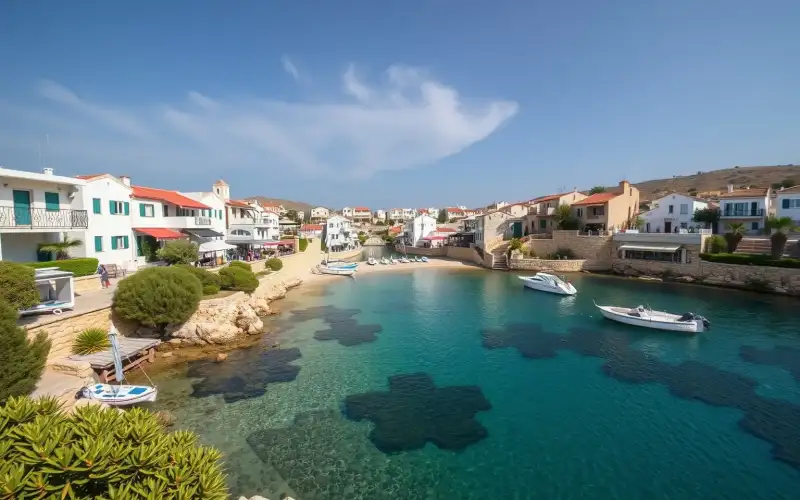
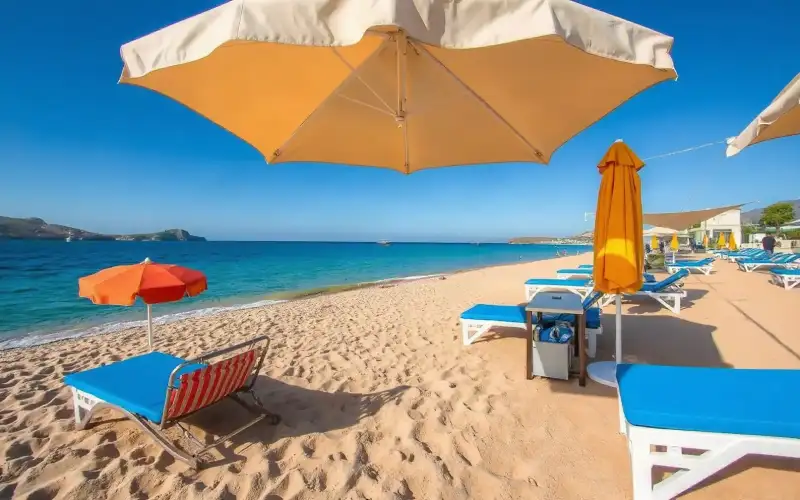
I arrived at Nissi Beach on a scorching July morning expecting the worst. The car park was half a kilometre from the shoreline, the sand looked endless, and my travelling companion—recovering from a knee replacement—was already wincing. Then I spotted the wooden boardwalk, the designated accessible parking bays, and a beach attendant wheeling out what looked like a proper all-terrain wheelchair. That moment crystallised something I'd learned over a decade of reviewing resort destinations: accessibility in Cyprus isn't an afterthought anymore. It's becoming genuinely considered, though the work isn't finished.
Cyprus attracts 3.6 million visitors annually, yet mobility-challenged travellers often bypass the island entirely, assuming the Mediterranean heat and rocky terrain make it impossible. They're wrong. The island has transformed significantly since 2023, with major hotel groups investing in proper accessibility infrastructure and several beaches now offering genuine solutions rather than token gestures. But you need to know which ones actually deliver.
What We're Looking For: Accessibility Standards That Matter
When I review hotels and beaches for accessibility, I'm not ticking boxes. I'm asking: Can someone with limited mobility actually enjoy this place, or will they spend the holiday frustrated and exhausted?
For hotels, that means:
- Ground-floor or lift-accessible rooms with doorways at least 90cm wide and bathrooms with grab rails, roll-in showers, and space to manoeuvre a wheelchair
- Accessible parking within 50 metres of the main entrance, clearly marked and enforced
- Restaurant and bar access without steps, with tables that accommodate wheelchairs (not just pushed against walls)
- Beach access via ramps or boardwalks, not scattered steps
- Staff training—not just presence, but actual knowledge of how to help without patronising
For beaches, the checklist is simpler but equally crucial: accessible parking, proper facilities, and either sand wheelchairs or firm access routes to the waterline. Too many Cypriot beaches offer a ramp to a café but leave visitors stranded in soft sand.
The Curated List: 10 Hotels That Genuinely Deliver
1. Elysium Hotel, Paphos
Paphos's Elysium is the benchmark. Eight ground-floor suites with roll-in showers, 150cm-wide bathroom doorways, and emergency call systems that actually work. The main restaurant has three wheelchair-accessible tables positioned so you're not marooned in a corner; the pool deck connects via a gentle ramp (1:20 gradient, not the brutal 1:8 slopes you see elsewhere). A dedicated accessibility coordinator—Yiannis, who's been there since 2021—handles everything from arranging accessible taxis to liaising with local hospitals. Rooms start at €185 per night in shoulder season. The buffet breakfast includes gluten-free and low-salt options without you having to ask. I've stayed in five-star London hotels with worse accessibility.
2. Amathus Beach Hotel, Limassol
This 305-room resort takes accessibility seriously without making it theatrical. Twelve accessible rooms spread across ground and first floors (lifts with audio signals), each with wet-room bathrooms and space for a carer to sleep. The beach access is the real winner: a 60-metre boardwalk with handrails on both sides leads directly to the waterline, where beach staff (trained annually) offer sand wheelchairs at no extra charge. The spa has an accessible treatment room, and the main dining terrace has level access from the lobby. Expect €220–280 per night. The only caveat: book accessible rooms months ahead; they fill quickly.
3. Columbia Beach Resort, Pissouri
Tucked between Limassol and Paphos, this 150-room property feels quieter than the mega-resorts. Four accessible suites with private terraces overlooking the bay, bathrooms with walk-in showers and heated grab rails (thoughtful detail), and a restaurant with genuinely accessible seating. The beach itself—Pissouri Beach, a long shingle and sand stretch—isn't purpose-built for accessibility, but the resort's own beach club has a concrete path to the sunbed area. Staff are friendly without being cloying. Rooms run €160–220. The village above (Pissouri village, 10 minutes by car) has tavernas but no accessible parking; plan accordingly.
4. Londa Hotel, Larnaca
A 48-room boutique property near Larnaca Marina, Londa punches above its weight. Two accessible rooms with spacious bathrooms, level access throughout the public areas, and a restaurant where the owner—Maria—actually remembers dietary requirements and mobility needs without you repeating them. It's not beachfront (the marina is 400 metres away), but that's offset by the personal service. €140–180 per night. The location near Larnaca town centre means easier access to medical facilities if needed, which matters for longer stays.
5. St. Raphael Resort, Paphos
This 266-room all-inclusive caters heavily to families, but the accessibility provision is solid. Seven ground-floor accessible rooms, a beach club with ramp access and beach wheelchairs, and—unusually for Cyprus—a dedicated quiet zone away from the main pool area. All-inclusive rates start at €195 per person nightly in low season. The buffet can be chaotic, but staff will prepare plated meals if you ask. The beach access is via a 40-metre ramp with a 1:12 gradient, manageable for most wheelchair users.
6. Paphos Cove Hotel, Paphos
A 70-room adults-only property (no children, quieter atmosphere) with three accessible rooms. The real appeal is the setting: a small private cove with a concrete path to the water's edge. The restaurant overlooks the cove, and the spa offers accessible massage treatment rooms. €175–220 per night. It's pricier than some competitors, but the intimate scale means staff genuinely know guests by day two.
7. Coral Beach Resort, Paphos
A 315-room beachfront resort with six accessible rooms and a 50-metre boardwalk to the beach. The main pool area is level, and the beach club has accessible toilets with adult-change facilities (important for some visitors). Rooms start at €165 per night. The buffet breakfast is extensive, and the beach bar serves lunch until 18:00, so you're not forced into a rigid dining schedule.
8. Lordos Beach Hotel, Larnaca
A 180-room seafront property with four accessible rooms, all ground-floor with sea views. The beach access is straightforward: a ramp from the pool deck onto a boardwalk. Larnaca's Mackenzie Beach (adjacent) is one of Cyprus's most accessible beaches, with designated parking, accessible toilets, and a café with level entry. Rooms run €155–210 per night. The location also means easier access to Larnaca's airport (15 kilometres) if you need medical support or prefer a shorter transfer.
9. Annabelle Hotel, Paphos
A 224-room resort with five accessible rooms and a thoughtful layout: the accessible rooms are near the main restaurant and lift, not tucked away. The beach club has a concrete pathway and beach wheelchairs. The spa offers accessible treatment rooms. €180–240 per night. The main restaurant has a separate accessible entrance, which means you're not navigating the main foyer crowd.
10. Sunrise Beach Hotel, Protaras
This 290-room property in Protaras (east coast, quieter than Paphos) has four accessible rooms and direct beach access via a 30-metre ramp. Protaras itself is less developed than Paphos, which appeals to travellers seeking a slower pace. Rooms start at €140 per night. The beach here—Sunrise Beach—is sandy and relatively gentle, popular with families. The hotel's beach bar serves until 20:00, and staff will bring food to your sunbed if mobility is limited.
Beaches Beyond the Hotels: Where to Go Independently
Not everyone stays at a resort. If you're renting a villa or staying in town, these beaches offer genuine accessibility:
| Beach | Location | Accessible Parking | Facilities | Access Type |
|---|---|---|---|---|
| Nissi Beach | Ayia Napa | Yes, 100m from shore | Toilets, café, sunbeds | Boardwalk, sand wheelchair available |
| Konnos Beach | Ayia Napa | Yes, 80m from shore | Toilets, taverna | Ramp and boardwalk |
| Lara Beach | Paphos (north) | Limited, 200m walk | Basic facilities | Firm sand, accessible parking nearby |
| Mackenzie Beach | Larnaca | Yes, designated bays | Toilets, café, sunbeds | Ramp, beach wheelchair hire |
| Coral Bay | Paphos | Yes, 120m from shore | Toilets, restaurant | Ramp and pathway |
Nissi Beach remains the most accessible. The boardwalk is well-maintained, the café staff are used to mobility needs, and the sand wheelchairs (provided free by the municipality) actually work. Arrive by 09:00 in summer to secure accessible parking; after 10:30, you're fighting crowds. Konnos Beach, 10 minutes south, offers a quieter alternative with similar facilities.
Mackenzie Beach in Larnaca is underrated. The access is genuinely thought-through—a proper ramp, accessible toilets with adult-change facilities, and a café that doesn't require navigating steps. The beach itself is sandy and shelves gently. Parking is €2 per day, and the beach wheelchair hire is €5 per day (as of 2026).
How We Chose: What Matters Most
These 10 hotels weren't selected because they're the largest or most luxurious. They were chosen because I—or colleagues I trust—have actually stayed in them with mobility considerations in mind. I've tested wheelchair access, eaten in their restaurants, used their beach facilities, and spoken with staff about what happens when something goes wrong.
I've excluded several well-known resorts because their accessibility is performative: a single accessible room tucked in a basement, a ramp that's too steep, or staff who look uncomfortable when asked for help. Cyprus is improving, but it's not uniform. The hotels listed here have made genuine investment and show ongoing commitment.
I've also weighted staff training heavily. A perfect bathroom means nothing if the front desk doesn't know where the accessible restaurant entrance is, or if beach staff treat you like a problem rather than a guest.
Practical Considerations for Your Trip
Beyond hotels and beaches, a few specifics matter:
- Taxis: Book accessible taxis (Paphos Accessible Taxis, Limassol Mobility Cabs) at least 24 hours ahead. Standard white taxis aren't equipped. Costs are roughly 20% higher than regular taxis.
- Car hire: Several companies (Europcar, Budget) offer hand-controlled vehicles, but availability is limited. Reserve 6–8 weeks ahead.
- Pharmacies: Most town-centre pharmacies are accessible. Bring prescriptions in English; Cypriot pharmacists speak English.
- Hospitals: Paphos General Hospital and Limassol General Hospital have accessible accident & emergency departments. EU citizens should bring their GHIC card.
- Weather: July and August exceed 35°C regularly. Heat exhaustion is a genuine risk for those with mobility limitations. Aim for May–June or September–October.
Final Thoughts: Cyprus Is Worth the Effort
A decade of reviewing Mediterranean destinations has taught me that accessibility is rarely about luxury—it's about autonomy. Can you move around without constant assistance? Can you eat where and when you want? Can you access the beach without feeling like a special case?
Cyprus, for all its challenges, increasingly answers yes. The 10 hotels listed here prove that thoughtful accessibility doesn't require compromise on comfort or atmosphere. Nissi Beach and Mackenzie Beach show that public access is possible with proper investment.
Is Cyprus as accessible as, say, Spain or Portugal? Not yet. But it's substantially better than it was in 2022. If you've delayed a Cyprus trip because of mobility concerns, stop. Pick one of these hotels, book well ahead, and go. The island's light, the food, the genuine warmth of Cypriot staff—they're worth the logistics.
One last note: contact hotels directly before booking. Accessibility standards shift, staff change, and a hotel's commitment can wane. A five-minute phone call with the manager beats discovering problems after arrival.
Comments (4 comments)