I was standing on the Molos promenade in Limassol at dusk last October, watching families claim the final patches of sand while restaurants fired up their evening services, and it struck me how different this scene was from a quiet afternoon I'd spent in Amathus just twenty minutes away. One location pulses with energy; the other breathes with calm. After fifteen years reviewing hotels across Cyprus and staying at over two hundred properties, I've learned that this choice between city centre and coastal enclave often matters more than the star rating on the door. The question isn't which location is objectively better—it's which matches how you actually want to spend your holiday.
Understanding the Two Distinct Experiences
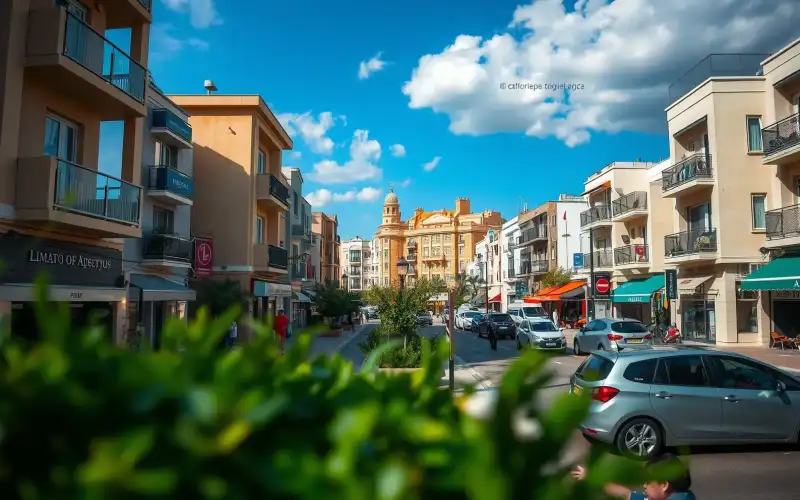
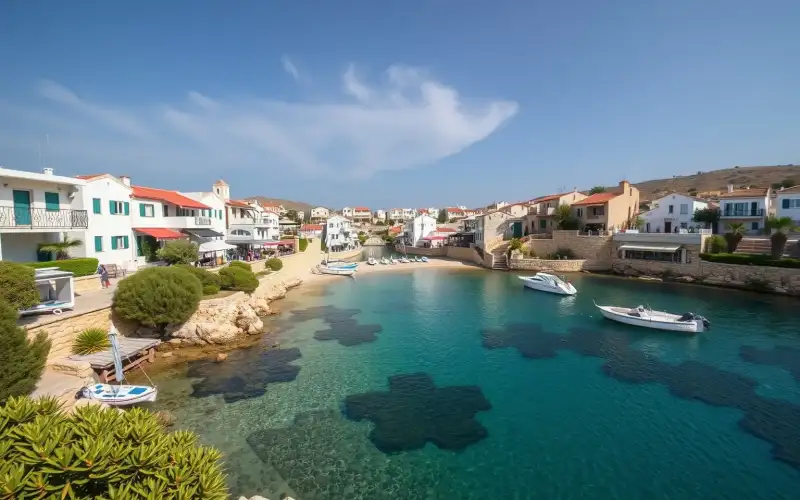
Limassol City Centre and Amathus occupy entirely different zones of the same municipality, yet they feel like separate worlds. The city centre sprawls inland from the seafront, anchored by the castle and the old harbour district. Here you'll find narrow streets thick with tavernas, independent shops, and the kind of street-level energy that keeps you walking until midnight. Amathus, by contrast, is a ribbon of development hugging the coast about five kilometres east. It's where the big resort hotels plant their flags, where the beach is the main event, and where you can spend an entire day without venturing more than a hundred metres from the sand.
The practical implications are significant. If you're staying in the city centre, you're choosing an urban base with Mediterranean character but limited direct beach access. The nearest decent swimming is a fifteen-minute walk or a five-minute taxi ride. If you're in Amathus, you're trading that street-level buzz for immediate beach proximity and a more resort-oriented experience. Neither choice is wrong; they simply serve different traveller profiles.
Beach Access and Coastal Life: The Crucial Difference
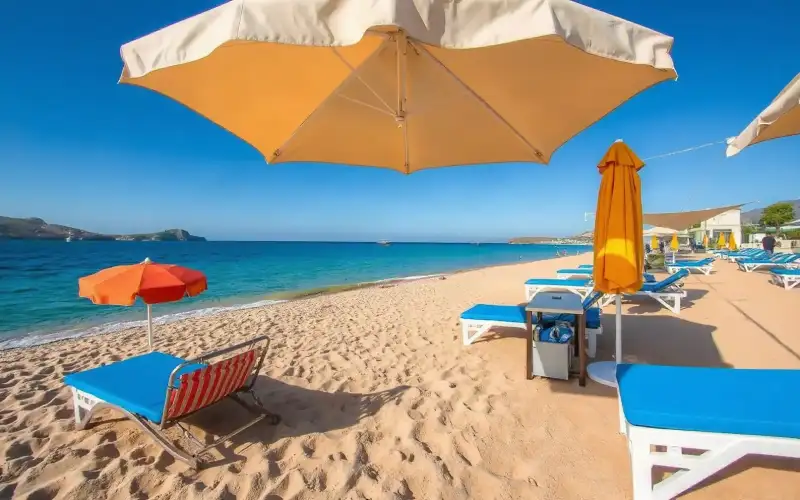
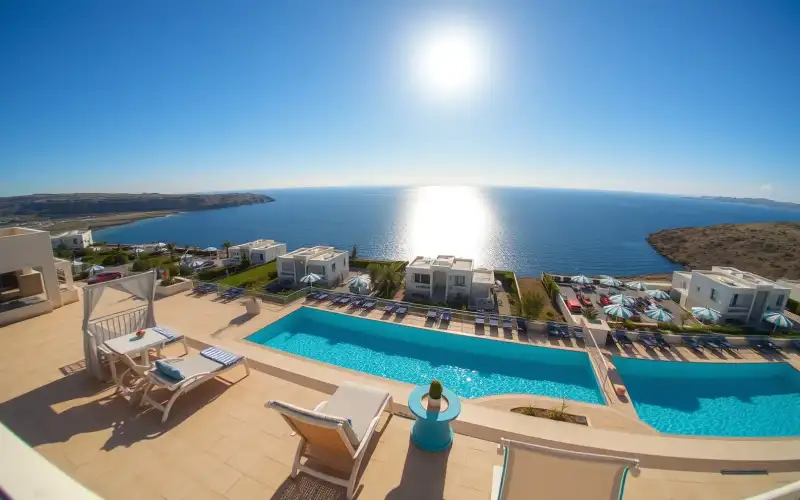
Let's address the obvious first: if beach proximity is non-negotiable for you, Amathus wins decisively. The hotels here sit directly on sand or within metres of it. You can wake, have breakfast on your balcony overlooking the water, and be swimming within five minutes. The beaches themselves are well-maintained, with organised sunbed sections, beach bars, and water sports operators. During peak season, expect to share the space—this isn't a hidden cove experience—but the infrastructure is solid. Most Amathus hotels offer private beach clubs, which means you're not competing for sunbeds with the general public.
Limassol City Centre offers something different. The Molos seafront has been substantially redeveloped in recent years, creating a pleasant promenade with landscaped gardens, a children's playground, and several beach bars. But it's not a traditional beach in the sense that Amathus delivers. The sand is narrower, the atmosphere more urban, and you're sharing the space with joggers, cyclists, and evening strollers. The water is clean and swimmable, but it lacks the resort-beach polish. If you want to spend six hours on a sunbed with a cocktail, you'll find the experience more seamless in Amathus. If you want to swim at dawn, grab a coffee, and move on to explore the city, Limassol's setup serves you better.
One practical note: parking at Amathus beaches during summer is straightforward—most hotels have dedicated facilities or validated parking nearby. In the city centre, parking is trickier. Street parking exists but can be frustrating; paid car parks are available but add to your costs. If you're renting a car, this matters.
Dining, Nightlife and Evening Culture
This is where Limassol City Centre asserts clear dominance. The restaurant scene here has transformed dramatically over the past five years. You'll find everything from traditional tavernas serving grilled fish and halloumi to contemporary Mediterranean restaurants pushing culinary boundaries. The old harbour area—specifically around Irinis Street and the surrounding lanes—has become something of a dining destination, with establishments like Thalassa and various family-run spots offering authentic Cypriot cooking at reasonable prices. A three-course meal with wine in a decent city centre restaurant runs roughly €35–50 per person, which represents fair value for Cyprus.
Amathus has dining options, certainly. Most hotels operate restaurants and beach bars. But you're largely confined to hotel menus unless you venture into the adjacent town of Germasogeia or back towards the city centre. The spontaneity of wandering down a side street and discovering a hole-in-the-wall taverna doesn't exist here. You plan your dinner; you don't stumble upon it.
Nightlife tells a similar story. Limassol City Centre has proper bars, clubs, and late-night venues scattered throughout the old town. The scene is genuinely lively on weekends, particularly around the harbour district. You'll find everything from traditional ouzeries where locals drink into the small hours to modern cocktail bars. Amathus offers hotel bars and beach clubs, some of which host live music or DJ events. It's pleasant enough, but it's curated nightlife within a resort framework, not the organic street-level scene you get in the city.
Access to Attractions and Exploring Beyond Your Hotel
Limassol City Centre places you within walking distance of several significant attractions. Limassol Castle, perched above the old harbour, is literally a ten-minute stroll from most city centre hotels. The castle itself is modest compared to Kyrenia's showpiece, but it's genuinely interesting—it's where Richard the Lionheart married Berengaria during the Crusades, and the small museum inside provides decent context. The Medieval Museum, housed in a restored mansion, is similarly walkable and worth an hour of your time.
The Carob Mill Museum, a restored industrial building showcasing Cyprus's carob trade heritage, sits on the edge of the city centre and is accessible on foot. These aren't world-class museums, but they're the kind of cultural encounters that give a city texture. They're also largely absent from the Amathus experience unless you deliberately travel to find them.
For broader exploration, both locations work as bases. Limassol City Centre is slightly better positioned for reaching the Troodos Mountains (about forty-five minutes inland) or the wine villages of the Commandaria region. Amathus isn't significantly disadvantaged—it's still Cyprus, distances are manageable—but you're starting from a slightly less central position. If you're planning day trips to Paphos (ninety minutes west) or the Akamas Peninsula, both locations work equally well.
Accommodation Quality: Hotels in Each Location
I've stayed at numerous properties in both zones. The city centre hosts smaller, often family-run hotels and boutique properties. The Four Seasons Limassol is the headline luxury option, though it's technically at the very edge of the centre, on the seafront. For mid-range options, you'll find solid three-star properties like the Amathus Beach Hotel (confusingly named, but located in the city centre area) and various smaller establishments offering good value. These tend to have more character than their resort counterparts—period features, locally sourced breakfast ingredients, staff who actually know the city.
Amathus's hotel stock is dominated by four- and five-star resort properties: the Amathus Beach Hotel Limassol (the actual beachfront property), the Atlantica Miramare Beach, and several others. These are professionally run, well-maintained, and offer comprehensive facilities—multiple pools, international restaurants, activity programmes. They're excellent if you want everything within arm's reach. They're potentially monotonous if you want to experience the place you're visiting.
| Factor | Limassol City Centre | Amathus |
|---|---|---|
| Beach proximity | 15–20 min walk | Immediate/on-site |
| Restaurant variety | Extensive, diverse | Hotel-dependent |
| Nightlife options | Numerous bars and clubs | Hotel venues primarily |
| Local culture access | High—walkable attractions | Low—resort-focused |
| Accommodation character | Boutique and family-run | Corporate resort chains |
| Price range | €60–200+ per night | €100–300+ per night |
The Practical Realities: Noise, Crowds and Atmosphere
Limassol City Centre can be noisy. If you're sensitive to street sounds—deliveries, late-night revellers, traffic—you'll notice it, particularly on Friday and Saturday nights. Hotels on main thoroughfares like Agiou Andreou Street experience genuine noise after dark. This isn't to say it's unbearable; it's urban life. But if you're seeking tranquility, it's worth choosing your specific hotel carefully and requesting a quieter room away from main streets.
Amathus is quieter in this sense. The beach hum is constant, but it's a different quality of sound—waves, distant conversation, the occasional beach bar music. If you're a light sleeper, Amathus will likely suit you better.
Crowding varies by season. During July and August, both locations are busy. The city centre feels busier because the streets are narrower and the crowds more concentrated. Amathus's beaches are packed, but the resort infrastructure absorbs the crowds more effectively. In shoulder seasons—May, June, September, October—both are considerably more pleasant. Limassol's city centre particularly benefits from fewer crowds while maintaining full restaurant and cultural activity.
The atmosphere question is subjective but worth confronting honestly. Do you want to feel like you're visiting a place, or do you want to feel like you're in a resort that happens to be located somewhere? The city centre delivers the former; Amathus delivers the latter. Neither is inherently superior. They're fundamentally different experiences.
Practical Logistics: Getting Around and Costs
Public transport in Limassol is adequate. Buses connect the city centre to Amathus and surrounding areas regularly—expect to pay €1.50 for a single journey. Taxis are straightforward and relatively inexpensive; a ride from the city centre to Amathus costs roughly €8–12 depending on exact location and time of day. Most city centre hotels can arrange taxis easily. If you're not renting a car, you're not significantly hampered.
From Amathus, reaching the city centre requires the same taxi or bus journey in reverse. It's not onerous, but it does require planning. You can't casually wander back to a restaurant you spotted earlier in the day.
Accommodation costs differ. City centre hotels average €80–150 per night for decent three-star properties, with boutique options ranging €120–200. Amathus resorts start around €120–150 for four-star properties and climb to €250+ for the premium offerings. You're generally paying more in Amathus, though you're getting more facilities (multiple pools, activity programmes, etc.).
Making Your Decision: Which Location Suits You?
Choose Limassol City Centre if you value exploration, dining variety, and cultural immersion. Choose it if you want to feel like you're actually visiting Cyprus rather than occupying a resort compound. Choose it if you're comfortable with urban energy and don't need immediate beach access. Choose it if you're travelling with a partner and want evening atmosphere and spontaneous discoveries.
Choose Amathus if beach proximity is essential to your holiday experience. Choose it if you prefer resort structure and don't want to think about where your next meal is coming from. Choose it if you're travelling with young children who need contained, supervised environments. Choose it if you want simplicity and professional service without the urban friction.
The honest assessment: Limassol City Centre is the more interesting choice for engaged travellers who want to experience a place. Amathus is the more comfortable choice for those prioritising relaxation and beach time. Both are valid. The best choice is the one that matches your actual travel temperament, not the one you think you should prefer.
Comments (4 comments)