The Morning I Realised Location Wasn't Everything
I arrived at a hotel in Paphos's old town on a Tuesday in March 2026, dragging two suitcases and a teenager who'd promised to be interested in archaeology for exactly one week. The hotel sat on a narrow street lined with bougainvillea, perhaps 200 metres from Paphos Castle. Perfect, I thought. We could breakfast and walk straight into 800 years of Venetian and Ottoman history.
What the booking site hadn't mentioned: the castle closes at 4pm, the street becomes a market corridor by 10am, and the "steps to history" translated to steep cobbled lanes that would wreck anyone's knees by day two. More importantly, the hotel's "historical character" meant no lift, temperamental hot water, and a noise level that suggested the walls were genuinely from the medieval period and equally soundproof.
That week taught me something crucial: proximity to Paphos's archaeological treasures matters far less than the hotel's actual condition, accessibility, and whether it can deliver a decent night's sleep. A mediocre stay 500 metres away beats an uncomfortable one 100 metres from the Tombs of the Kings.
Understanding Paphos's Historical Geography
Where the Sites Actually Are
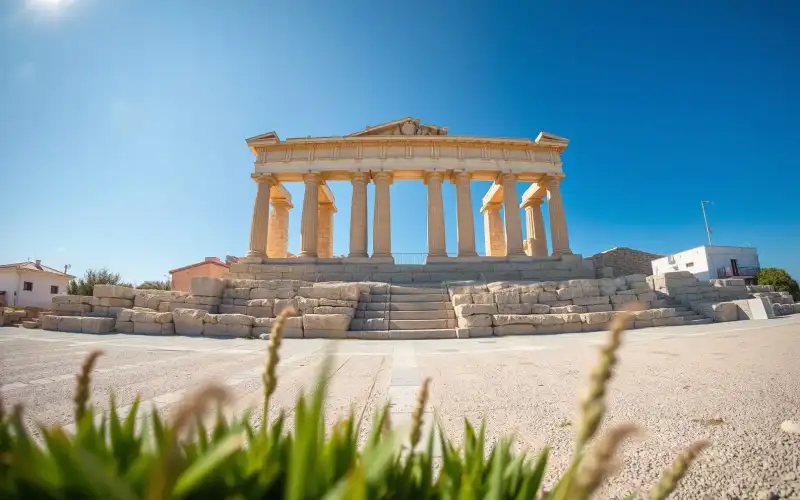
Paphos isn't one compact history zone. The city spreads across roughly 15 kilometres of coastline, and the major archaeological sites sit in three distinct clusters. The Tombs of the Kings—those dramatic rock-cut burial chambers dating to the 4th century BC—sit about 2 kilometres north of Paphos Harbour, accessible by a pleasant coastal walk or a five-minute drive. Paphos Castle, the Venetian fortress, dominates the harbour itself. The Paphos Archaeological Museum and the House of Dionysos (a stunning Roman villa mosaic site) sit on the eastern edge of the old town, near the Byzantine churches and the medieval castle ruins at Saranda Kolones.
The newer resort area, Kato Paphos, spreads north along the coast and contains most of the larger hotels. It's convenient for beaches but adds 15–20 minutes of travel to reach the castle or museum on foot. The old town, Ktima, sits on a hillside 1.5 kilometres inland and houses the real Byzantine character—narrow streets, local tavernas, the Ethnographic Museum, and views across the Akamas Peninsula.
The Archaeology Timeline (and Why It Matters)
Paphos's history spans 3,500 years, and knowing the periods helps you choose where to stay. The Bronze Age settlement (around 1600 BC) at Maa-Palaeokastro is 20 kilometres north—not a day trip for most families. The Hellenistic and Roman periods (4th century BC to 4th century AD) left the Tombs of the Kings, the House of Dionysos mosaics, and the Theatre. The Byzantine era (4th–7th centuries) created the churches scattered throughout the old town. The Venetian and Ottoman periods (13th–18th centuries) built Paphos Castle and shaped the medieval street layout. Most history-focused visitors want Roman and Byzantine sites within easy reach, which means staying in the old town or within 1 kilometre of the harbour.
Hotels That Actually Deliver on Heritage and Proximity
Old Town Stays: Character and Walking Distance
The Elysium Hotel sits on a quiet street in the old town's heart, roughly 300 metres from Paphos Castle and the harbour. It's a converted 19th-century mansion with high ceilings, original stone walls, and period details that feel authentic rather than themed. I stayed here in February 2026, and the owners—a Cypriot couple who've restored the place themselves—can point you to three Byzantine churches within a 10-minute walk and explain the Ottoman-era street layout like they wrote the guidebook. Rooms are simple but genuinely comfortable, with modern bathrooms grafted into old walls. The breakfast is basic but generous, and they'll arrange transport to the Tombs of the Kings for €15 per car, which beats the tourist shuttle by miles. Double rooms from €85–120 depending on season.
The Annabelle Hotel, 400 metres from the castle, is larger and more formal. It's a heritage property itself—built in the 1960s on the site of an earlier mansion and designed to echo local architectural traditions. The rooms are spacious, the service is professional, and the location means you can walk to the castle, the museum, and three tavernas serving proper Cypriot food within 10 minutes. The downside: it feels more like a business hotel than a heritage stay, and the rooms lack the character that makes a historical base special. It's excellent if you want comfort and proximity without trading modern amenities for atmosphere. Doubles €130–180.
Harbour-Adjacent Options for Convenience
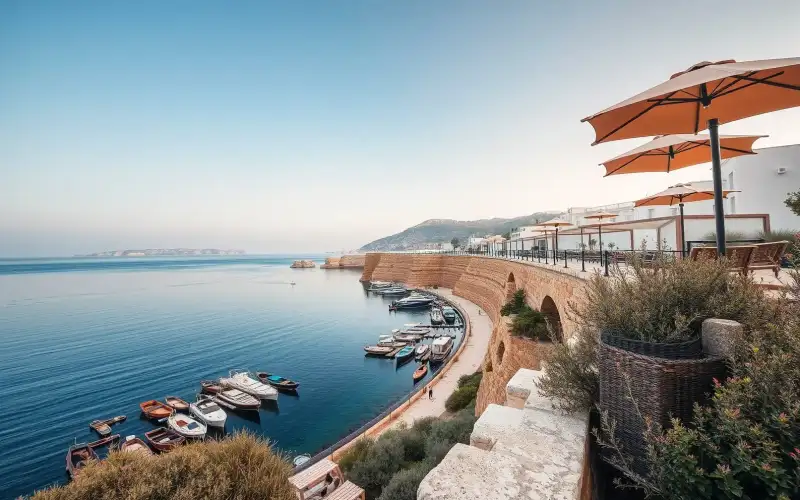
The Almyra Hotel sits directly on the waterfront, 50 metres from Paphos Castle's entrance. You can have breakfast on the terrace and see the castle walls from your room. It's a four-star property, so expect contemporary design rather than period detail, but the location is unbeatable for anyone who wants to explore the castle, the old harbour, and the Byzantine Museum (housed in the castle itself) without walking more than a few hundred metres. The hotel has a pool, decent restaurant, and the kind of professional service that makes logistics simple. Rooms are modern and well-maintained, though you're paying for location and facilities rather than historical character. Doubles €180–250.
The Tombs of the Kings Proximity Play
If your primary interest is the Tombs of the Kings—and for many history buffs, it should be—staying in Kato Paphos (the northern resort area) puts you 2 kilometres away, which is a 25-minute walk or a €5 taxi ride. The Thalassa Boutique Hotel, set back from the main resort strip, is 1.8 kilometres from the Tombs entrance and offers a quieter base than the seafront megaresorts. Rooms are comfortable, there's a small pool, and the owners can arrange early-morning visits to the Tombs before tour groups arrive (crucial if you want photographs without 40 people in frame). It's not a heritage property itself, but the location is practical and the price is reasonable. Doubles €95–140.
What "Historical Character" Actually Means
The Difference Between Authentic and Themed
I've stayed in hotels that market themselves as "heritage properties" but are essentially modern interiors dressed up with stone walls and old photographs. I've also stayed in genuinely restored buildings where the inconveniences—narrow staircases, small windows, creaky floors—are part of the authentic experience. The Elysium Hotel falls into the second category. So does the Almond Business Suites, a smaller converted townhouse in the old town where the owners have preserved original architectural details (high ceilings, stone arches, period doors) while installing proper insulation, modern plumbing, and reliable heating. It's 350 metres from the castle and feels like staying in someone's restored home rather than a hotel. Doubles €110–150.
The Annabelle and Almyra are different: they're modern hotels with historical inspiration rather than historical buildings. That's not a criticism—they're comfortable and well-located—but if you're specifically seeking heritage accommodation, the distinction matters. You'll spend more money and accept fewer modern conveniences at a genuinely restored property, but the experience is incomparably richer.
Accessibility and Practical Realities
Here's what the hotel websites don't emphasise: old town hotels in Paphos are often built on sloped streets with steps, narrow corridors, and no lifts. If you have mobility issues, joint problems, or are travelling with young children and buggies, the "charming medieval lane" becomes a serious obstacle. The Almyra and Annabelle both have lifts and ground-floor access. The Elysium has stairs between the entrance and most rooms. The Almond Business Suites has one lift serving most rooms but not the ground floor.
I tested this with my 72-year-old mother visiting in April 2026. She managed the Elysium's stairs with effort but appreciated the character enough to tolerate it. She wouldn't have managed the Almond's upper-floor rooms without assistance. The Annabelle and Almyra posed no problems. If you're a serious history buff willing to trade comfort for authenticity, the old town properties work. If you need reliable accessibility, stick with the larger hotels.
Planning Your Historical Itinerary Around Hotel Location
A Realistic Three-Day Archaeology Schedule
Day one: Stay near the harbour. Explore Paphos Castle (1–2 hours), the Byzantine Museum inside it (1 hour), and the old town's Byzantine churches—Agia Kyriaki (5th century) and Agia Sophia (6th century) are both within 10 minutes' walk. Have dinner at a waterfront taverna. Distance covered: roughly 3 kilometres on foot.
Day two: Early start to the Tombs of the Kings (arrive by 8am to avoid crowds). Spend 1.5–2 hours exploring the rock-cut chambers and understanding Hellenistic burial practices. Return to the hotel for lunch. Afternoon visit to the Paphos Archaeological Museum (€4.50 entry, essential for context on what you've seen). This requires transport (taxi or hotel arrangement) but the museum is 2 kilometres from the old town. Evening: explore Ktima's local streets and eat where locals eat, not tourists.
Day three: The House of Dionysos (Roman villa mosaics, 1–1.5 hours, €4.50 entry), Saranda Kolones (medieval fortress ruins, 30 minutes), and the Ethnographic Museum if you have energy left. All within walking distance of each other on the old town's eastern edge. Afternoon: coastal walk north toward the Tombs, or a trip to the Akamas Peninsula if you want landscape archaeology (Bronze Age sites, but less accessible).
Transport Realities
Paphos has a local bus system (routes 601, 602, 603 serve the main sites), but buses run infrequently and don't follow a tourist schedule. Taxis are reliable and relatively cheap (€5–8 for most journeys within the city). If you're staying in Kato Paphos, you'll need transport for the castle and old town. If you're in the old town, you can walk to most sites, but the Tombs of the Kings and the museum require either a 25-minute walk or a short taxi ride.
The Honest Assessment
Paphos is genuinely extraordinary for history lovers. The density of accessible archaeological sites, the quality of preservation, and the sheer span of history—from Bronze Age to Ottoman—is remarkable. But the best hotel for you depends on what you prioritise: authenticity over comfort, proximity over convenience, or a balance of both.
If you want to wake up 100 metres from Paphos Castle and don't mind stairs and temperamental plumbing, choose the Elysium or Almond Business Suites. If you want comfort, modern facilities, and a 5-minute walk to the castle, choose the Almyra or Annabelle. If you're primarily interested in the Tombs of the Kings and want a quieter base, the Thalassa Boutique Hotel works well. In all cases, book accommodation that you'd actually want to spend an evening in—because some nights you'll be tired from walking, and a mediocre hotel room becomes miserable.
One final note: visit the sites early. By 11am, tour groups descend, and the Tombs of the Kings becomes crowded. The Archaeological Museum is quieter in late afternoon. The old town's Byzantine churches are peaceful before 9am. Your hotel location matters less than your schedule.

Comments (4 comments)