Last summer, I watched a father of three stand at Larnaca airport, phone in hand, scrolling frantically between two resort websites. His eldest was twelve, twins aged seven. He'd booked flights to the East Coast but couldn't decide: Protaras or Ayia Napa. Both promised beaches. Both had hotels. Both were thirty minutes from the airport. Yet they're not interchangeable, and his choice would fundamentally shape his family's week.
After fifteen years reviewing Cypriot hotels and a decade before that managing luxury concierge services, I've watched thousands of families make this exact decision. Most get it right by accident. Some don't. The difference isn't marketing speak—it's the actual experience of your children in the water, the sound of music at midnight, and whether you're paying £180 or £280 per night for comparable comfort.
The Core Difference: What You're Actually Choosing
Protaras and Ayia Napa sit seven kilometres apart on the same coastline, yet they operate under entirely different philosophies. Ayia Napa built its reputation on nightlife, water sports, and a party atmosphere that appeals to couples and young adults. Over the past decade, it's added family infrastructure—hotels, kids' clubs, quieter beaches—but the resort's DNA remains geared toward evening entertainment.
Protaras developed in the opposite direction. It emerged as a fishing village and evolved into a family-first destination. Nightlife exists, but it's muted. The atmosphere is fundamentally quieter, more Mediterranean village than international resort.
This distinction matters more than you'd think. It affects noise levels at 11 p.m., the type of guests sharing your hotel pool, beach crowding patterns, and the overall vibe your children will absorb during their holiday.
Protaras: The Family-Focused Resort
Beach Quality and Water Safety
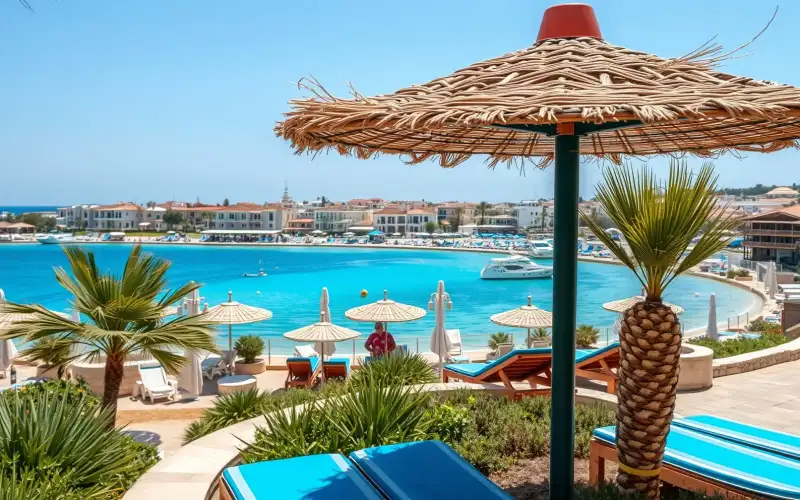
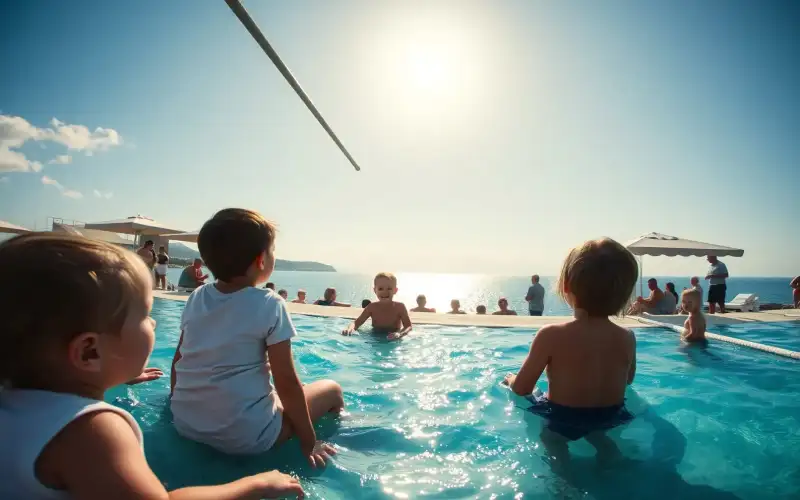
Protaras beaches are exceptional for families with young children. The main beaches—Fig Tree Bay, Konnos Bay, and Louma Beach—feature consistently shallow water extending twenty to thirty metres from the shore. A five-year-old can wade confidently fifty metres out and still be in chest-deep water. The seabed is predominantly sand with occasional patches of small pebbles, not sharp rocks.
Fig Tree Bay, the most photographed beach in the resort, lives up to its reputation. The sandy cove is naturally protected by rocky outcrops, creating a lagoon effect that calms waves even when the open sea is choppy. On a typical August day, the water temperature reaches 28°C. The beach slopes so gradually that parents genuinely can supervise multiple children simultaneously without constant anxiety.
Konnos Bay, just south of the main strip, offers similar safety characteristics with slightly fewer crowds. It's my preferred recommendation for families with children under eight. The beach is smaller—roughly 150 metres of sand—which means you can position yourself where you see every child in the water. Tavernas sit directly behind the beach, allowing parents to order lunch without abandoning their spot.
Water quality is consistently excellent. Protaras maintains Blue Flag status across its main beaches, and the testing data backs it up. Bacteria counts remain low year-round because the beaches face open Mediterranean and benefit from natural current patterns that flush the bays regularly.
Hotel Selection and Family Amenities
Protaras offers roughly forty hotels and apartment complexes with family-specific facilities. The range spans budget three-star operations to four-star all-inclusives, with a notable absence of five-star luxury properties. This is actually an advantage for families: the resort caters to your actual needs rather than attempting to upsell you to unnecessary grandeur.
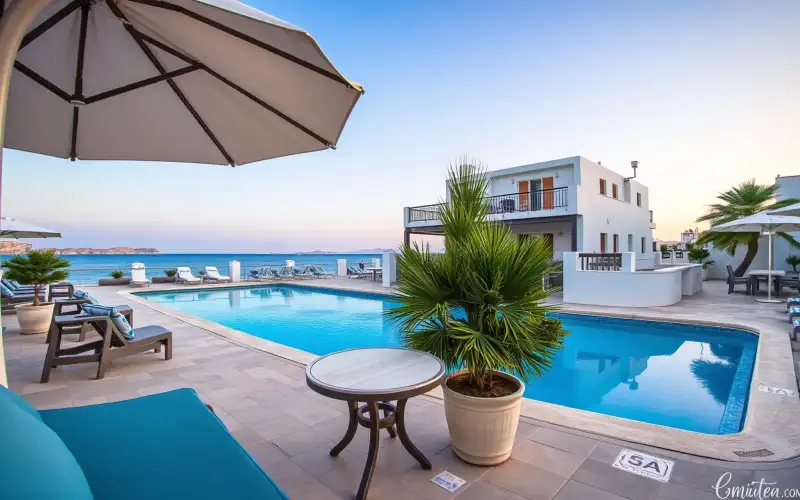
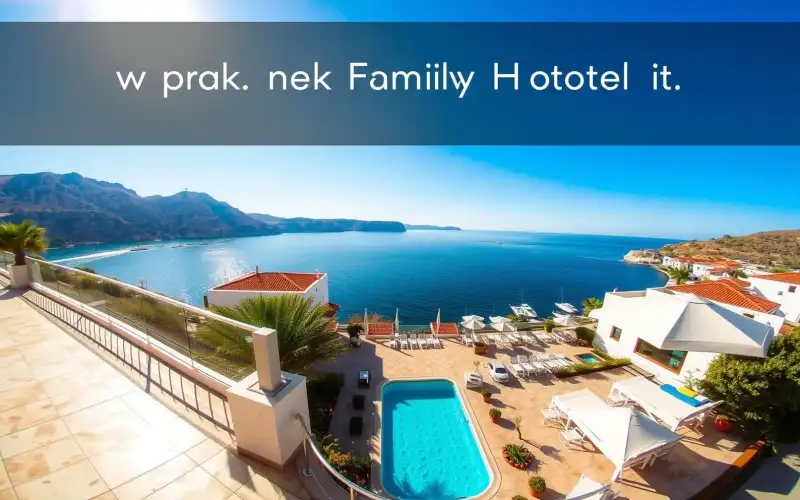
The Protaras hotels cluster into two categories. Beach-front properties occupy the main promenade and charge accordingly—£160 to £240 per night for a family room with sea views. Set-back properties, positioned one to three streets inland, cost £95 to £160 per night and often include better value: more space, larger pools, quieter environments.
Most four-star family hotels include kids' clubs operating from 9 a.m. to 1 p.m. and 4 p.m. to 7 p.m. These aren't babysitting services—they're structured programs with activities, snacks, and supervision. The quality varies, but the better clubs (at hotels like Protaras Holidays and Sunwing) employ trained childcare staff, not seasonal workers. Cost is typically included in your room rate, though premium clubs charge £8 to £12 per session.
All-inclusive hotels in Protaras genuinely deliver value for families. Drinks, meals, snacks, and basic activities are bundled, which eliminates daily budget surprises. A family of four spending a week at a three-star all-inclusive typically costs £120 to £150 per person per night, all food and soft drinks included. The alternative—bed and breakfast, eating out three times daily—easily exceeds £40 per person daily for food alone.
Nightlife and Noise Levels
This is where Protaras excels for families with young children. The resort has bars and restaurants, but they operate on a Mediterranean schedule: dinner service peaks between 8 and 9 p.m., and most venues close by midnight. Loud music is concentrated in three or four establishments on the main strip, and even these maintain volume levels that don't carry more than fifty metres.
If your hotel sits on the main promenade directly in front of bars, you'll hear activity until 11 p.m. or midnight. If you're one street back, noise becomes negligible by 10 p.m. This is why hotel location matters more than the hotel's star rating when choosing Protaras.
I've reviewed families staying at four-star beachfront properties who complained about noise, and families at two-star set-back hotels who slept undisturbed. The difference was location, not quality.
Practical Costs and Value
A typical week in Protaras for a family of four (two adults, two children aged 6-12) in mid-August 2026:
- Three-star all-inclusive hotel: £600 to £700 total (£85-100 per person per night)
- Four-star bed and breakfast, set-back location: £700 to £900 total (£100-130 per person per night)
- Meals not included: budget £25 to £35 per person daily for family taverna dinners
- Activities (water sports, boat trips, mini-golf): £10 to £20 per person per activity
- Car rental (five days): £120 to £150
Total weekly spend for comfort without luxury: £1,400 to £1,800 for the family. That's achievable without financial stress for middle-income British households.
Ayia Napa: The Evolved Party Resort
Beach Quality and Water Safety
Ayia Napa's beaches are genuinely good, though different from Protaras. The resort has three main family beaches: Nissi Beach, Landa Beach, and Makronissos Beach. All hold Blue Flag status and feature sandy seabeds.
Nissi Beach is the most famous and most crowded. The sand is fine and light-coloured, the water is clear, and the slope is gradual enough for young children. However, the beach regularly hosts 2,000 to 3,000 people daily in peak season. Finding space for your family towels requires arriving by 9 a.m., and the atmosphere is decidedly commercial—sunbed rentals, beach bars, water sports operators competing for attention.
Water safety is comparable to Protaras. The shallow zone extends far enough for confident supervision of young children. However, the sheer volume of people—swimmers, jet skis, paddleboards—creates a busier, slightly more chaotic environment. Parents of anxious or non-confident swimmers may find the crowd stressful.
Landa Beach, positioned away from the main resort centre, offers quieter conditions. The beach is smaller, less commercialised, and attracts fewer families with very young children. Water safety is equivalent to Nissi, but the experience is notably calmer.
Hotel Selection and Family Amenities
Ayia Napa has the highest hotel density on the East Coast—over sixty properties ranging from budget two-star operations to five-star luxury resorts. This variety is genuine. You can find a comfortable family room for £80 per night or a beachfront suite for £350 per night.
Four and five-star hotels in Ayia Napa offer more comprehensive family amenities than Protaras equivalents. Kids' clubs are standard at four-star properties and typically run longer hours (8 a.m. to 6 p.m. with lunch included). Some five-star resorts offer babysitting services, allowing parents genuine evenings out.
The trade-off is price. A comparable four-star hotel in Ayia Napa costs 15 to 25 percent more than the Protaras equivalent. A beachfront family room that costs £180 in Protaras costs £220 in Ayia Napa. This premium reflects higher demand, more intense competition for guests, and the cost of maintaining more elaborate facilities.
All-inclusive options exist in Ayia Napa but are less dominant than in Protaras. Most are mid-range three-star properties, and they cost roughly the same as Protaras equivalents (£120 to £150 per person per night). However, the selection is smaller, and availability during peak summer weeks is tighter.
Nightlife and Noise Considerations
Ayia Napa's nightlife is substantially more active than Protaras. The resort has two main entertainment strips: the harbour area and the central square near the monastery. Bars and clubs operate until 2 a.m. or later, with music volumes designed for adult enjoyment, not family sleep schedules.
If your hotel sits anywhere near these zones, expect noise until at least midnight, often later. I've reviewed families staying at supposedly
Comments (5 comments)